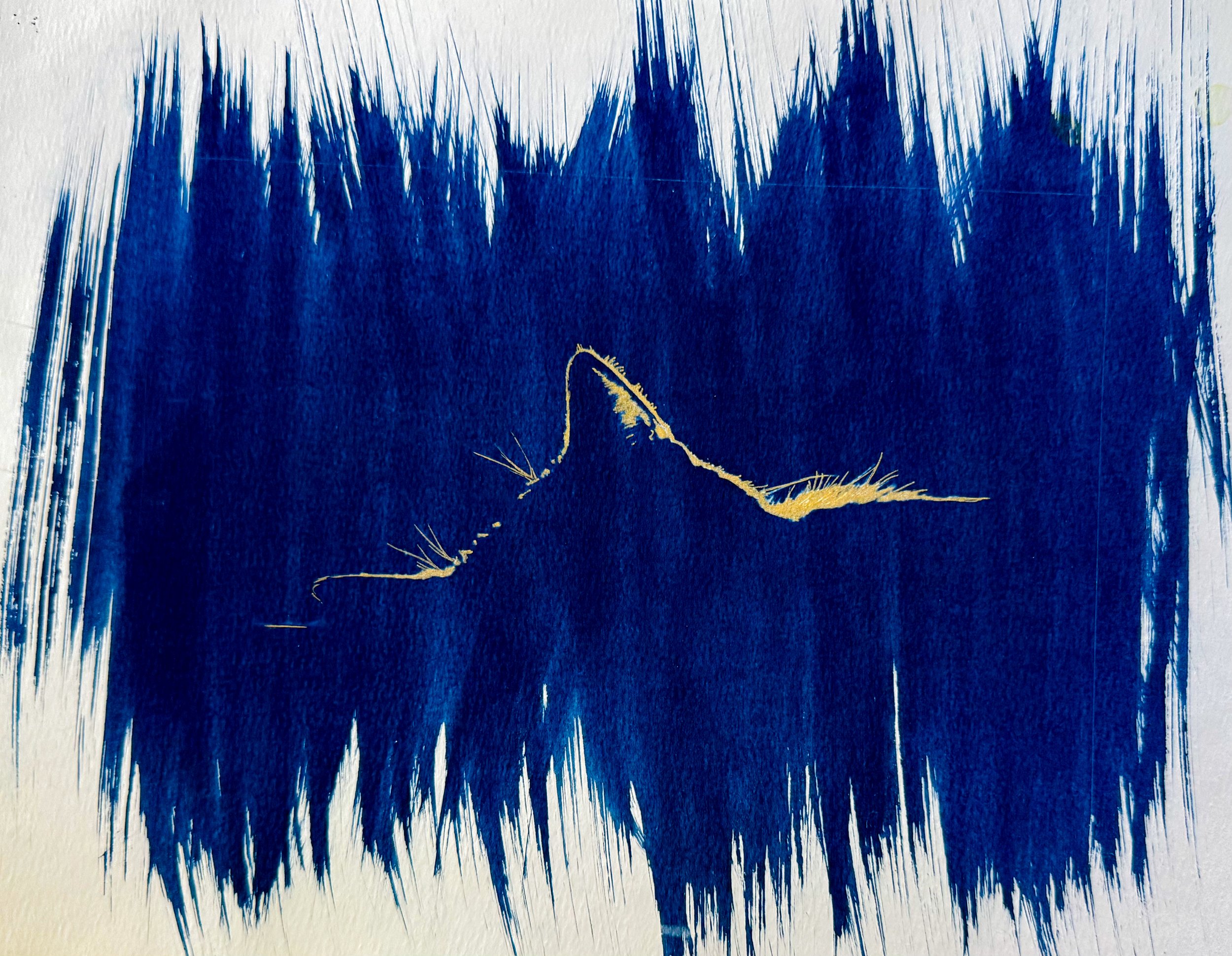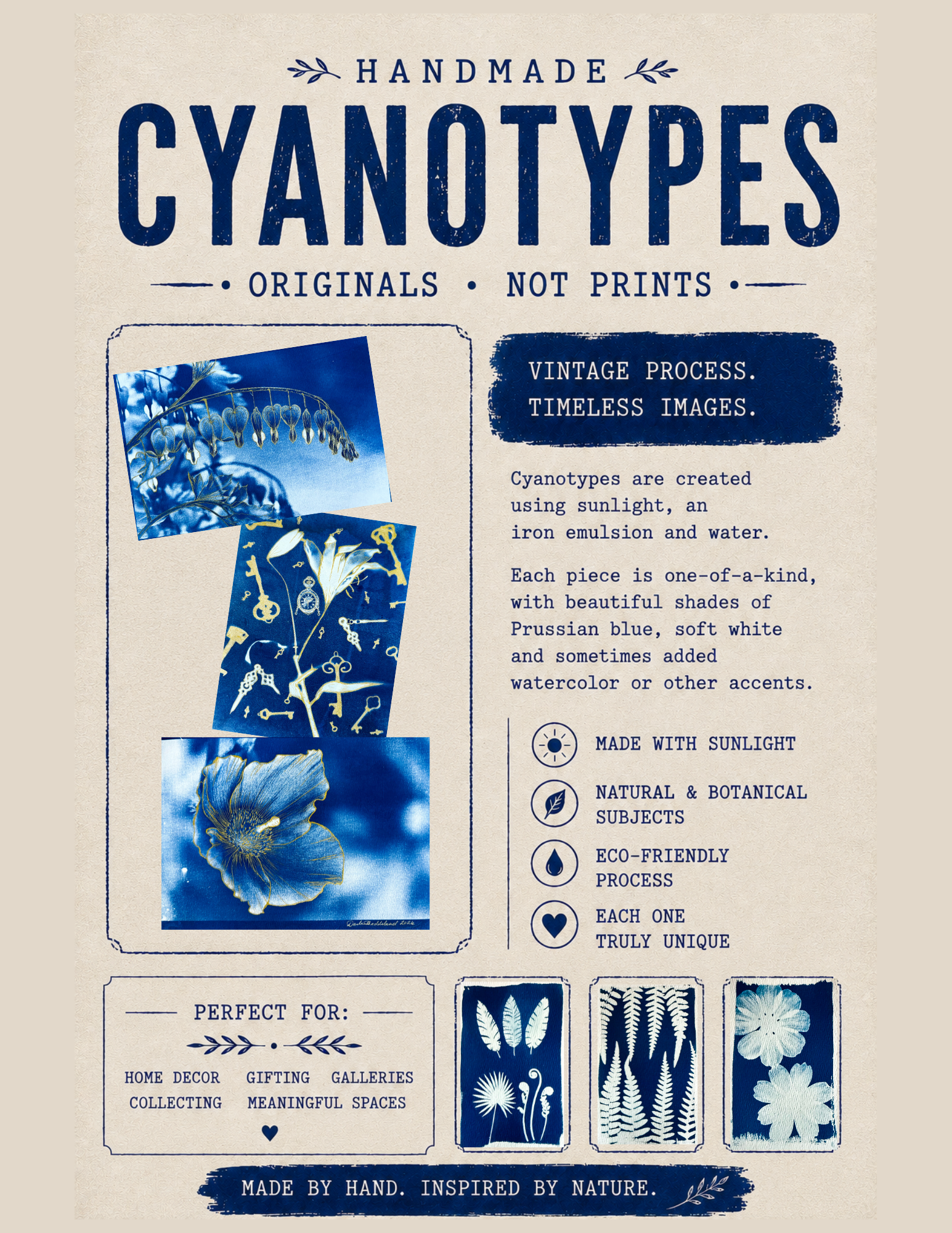
-
A cyanotype is one of the earliest photographic printing processes, producing distinctive Prussian blue images through a light-sensitive chemical reaction. It is a contact-print process that uses sunlight or UV light to create images on paper, fabric, wood, and other surfaces. Cyanotypes sit at the intersection of photography, printmaking, and painting, which is part of what makes them so enduring and magical.
-
1842 — The Beginning
The cyanotype process was invented in 1842 by Sir John Herschel, an English astronomer, chemist, and scientist. Herschel developed it while experimenting with light-sensitive iron salts.
Unlike silver-based photography of the era, cyanotypes used iron compounds, making the process simpler and more affordable.
1843 — The First Photographic Book
Anna Atkins became the first person to publish a book illustrated entirely with photographs.
Her groundbreaking work, Photographs of British Algae: Cyanotype Impressions, used cyanotypes to document seaweed specimens.
Because of this, Anna Atkins is often considered:
One of the first female photographers
The first person to create a photographic book
A pioneer of botanical photography
Blueprint Era
By the late 1800s, cyanotypes became widely used by architects and engineers.
The process created inexpensive copies of technical drawings called Blueprints.
The word “blueprint” literally comes from the cyanotype process.
Blueprints remained standard until the late 20th century.
Modern Revival
Today, cyanotypes have experienced a major resurgence among the following:
Fine artists
Mixed-media creators
Printmakers
Textile artists
Nature artists
Alternative photography enthusiasts
Artists now create cyanotypes on:
Watercolor paper
Fabric
Wood
Glass
Ceramics
Handmade paper
Found objects
-
The process uses two chemicals:
-Ferric Ammonium Citrate
-Potassium Ferricyanide
These are mixed and brushed onto a surface.
Steps:
Coat paper or material with the solution.
Let dry in darkness.
Place an object or a negative on the surface.
Expose to UV light or sunlight.
Rinse with water.
Image develops into rich blues as it oxidizes.
Areas exposed to light turn blue while blocked areas remain light.
-
• Cyan comes from the Greek word kyanos, meaning “dark blue.”
• Fresh cyanotypes often darken over the first 24–48 hours as oxidation continues.
• Tea, coffee, wine, tannins, and natural dyes can tone cyanotypes into brown, sepia, purple, black, or warm neutral colors.
• Plants are one of the most common subjects because leaves and flowers create striking silhouettes.
• Cyanotypes can continue developing slightly after washing.
• Exposure times can range from a few minutes to over an hour, depending on UV strength.
• Rainy or cloudy days often create softer, more subtle prints.
-
Color: Deep Prussian blue
Process Type: Alternative photographic printing process
Invented: 1842
Inventor: Sir John Herschel
Light Source: UV light or sunlight
Difficulty: Beginner-friendly
Common Subjects: Botanicals, negatives, lace, feathers, objects, silhouettes, textures
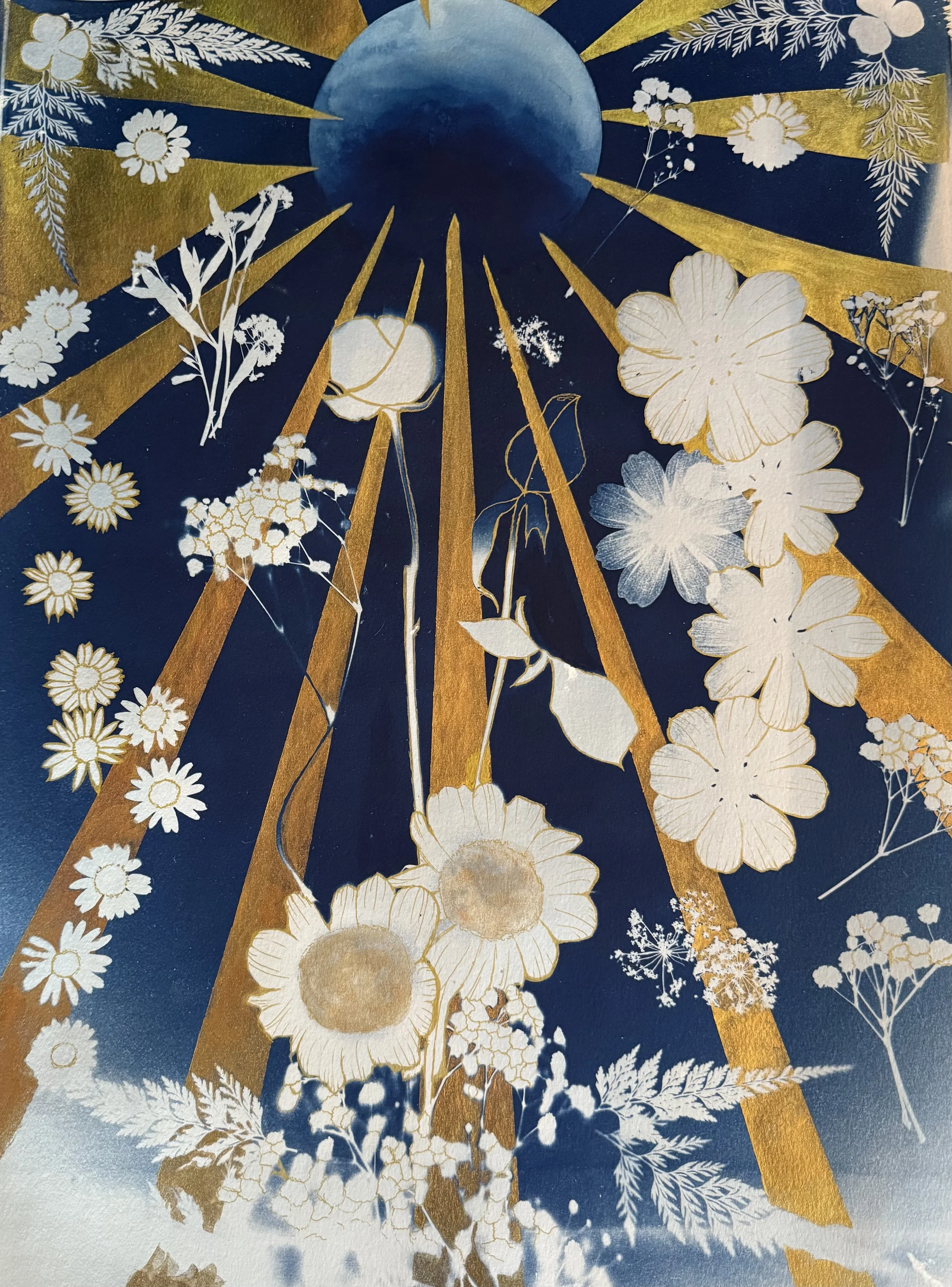
The Sun Moon
24”X18” Cyanotype, Gold Pen, and Watercolor on Paper - Not Available for Sale.
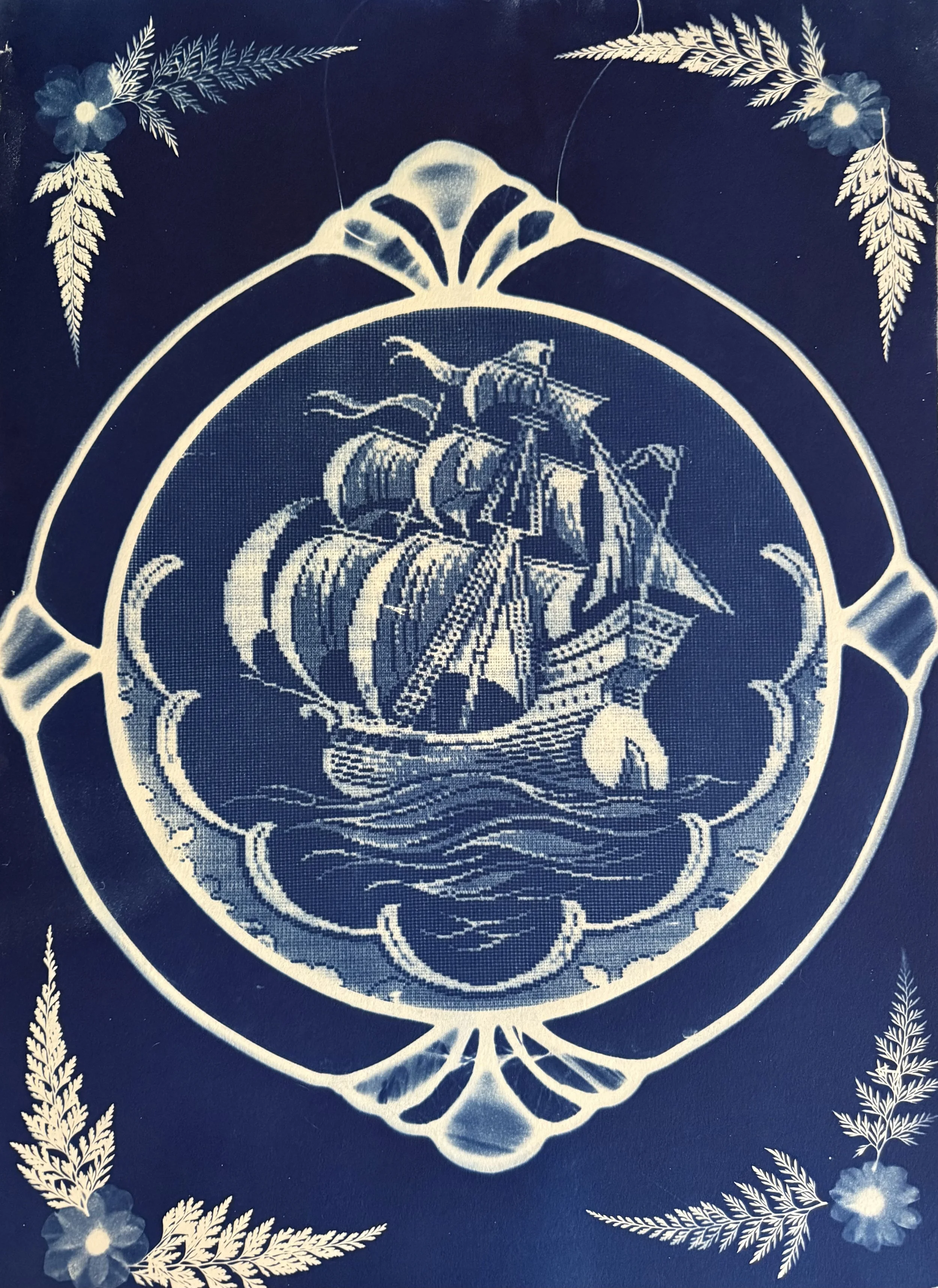
Lace Ship in Stained Glass
24”X18” Cyanotype on Paper
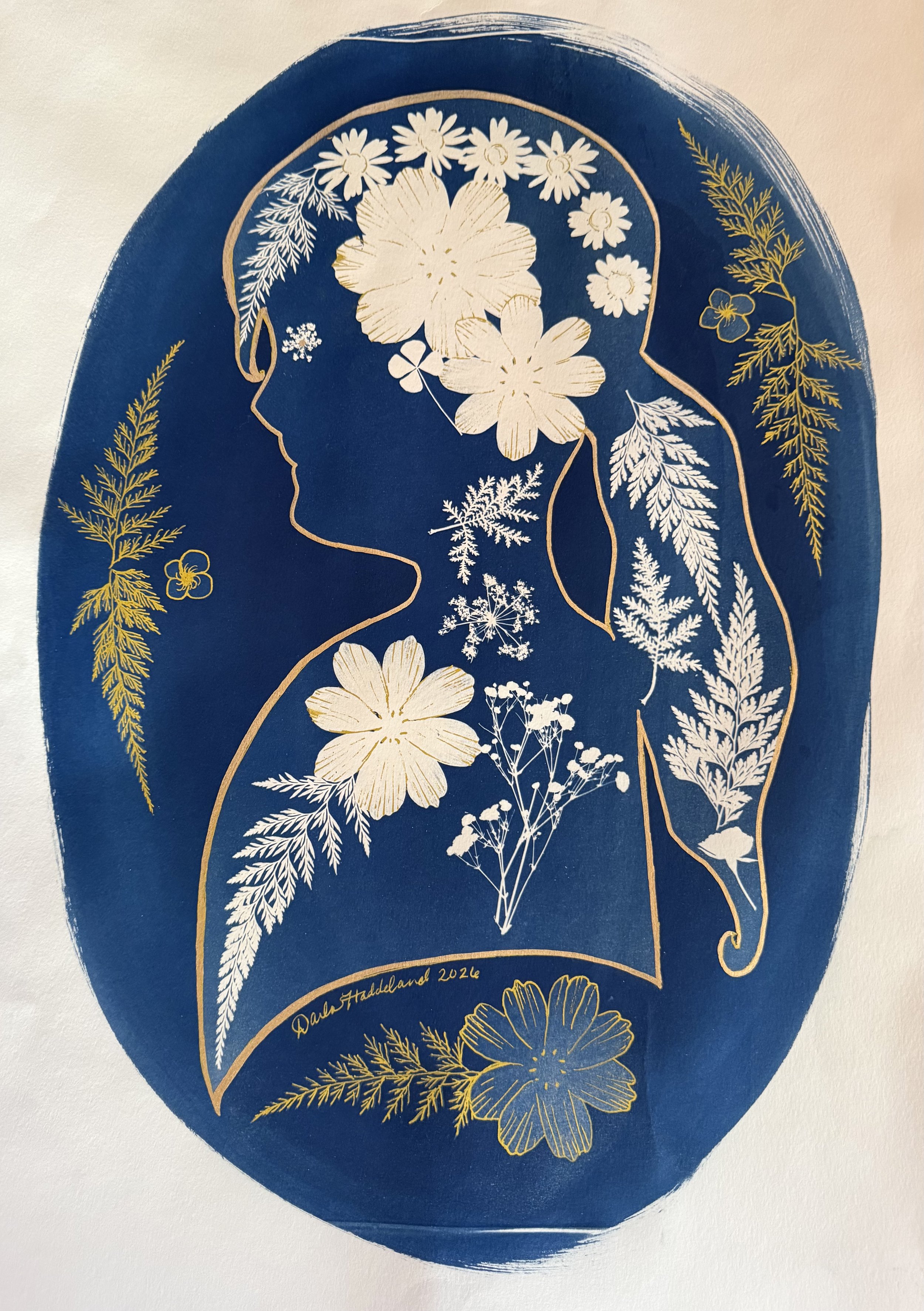
Young Daisy Profile
24”X18” Cyanotype and Gold Pen on Paper - Not Available for Sale.
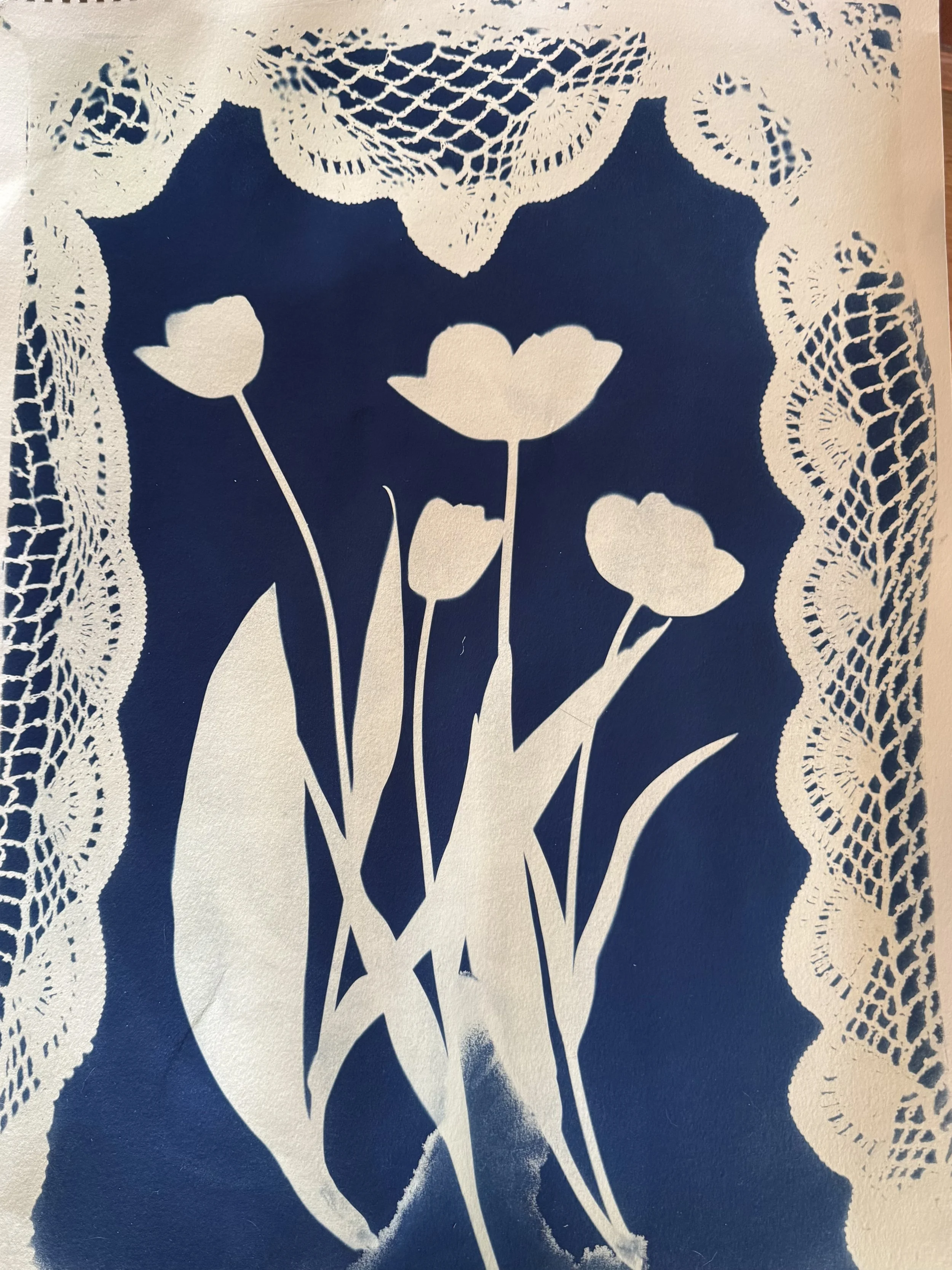
Fresh Tulips
24”X18” Cyanotype on Paper
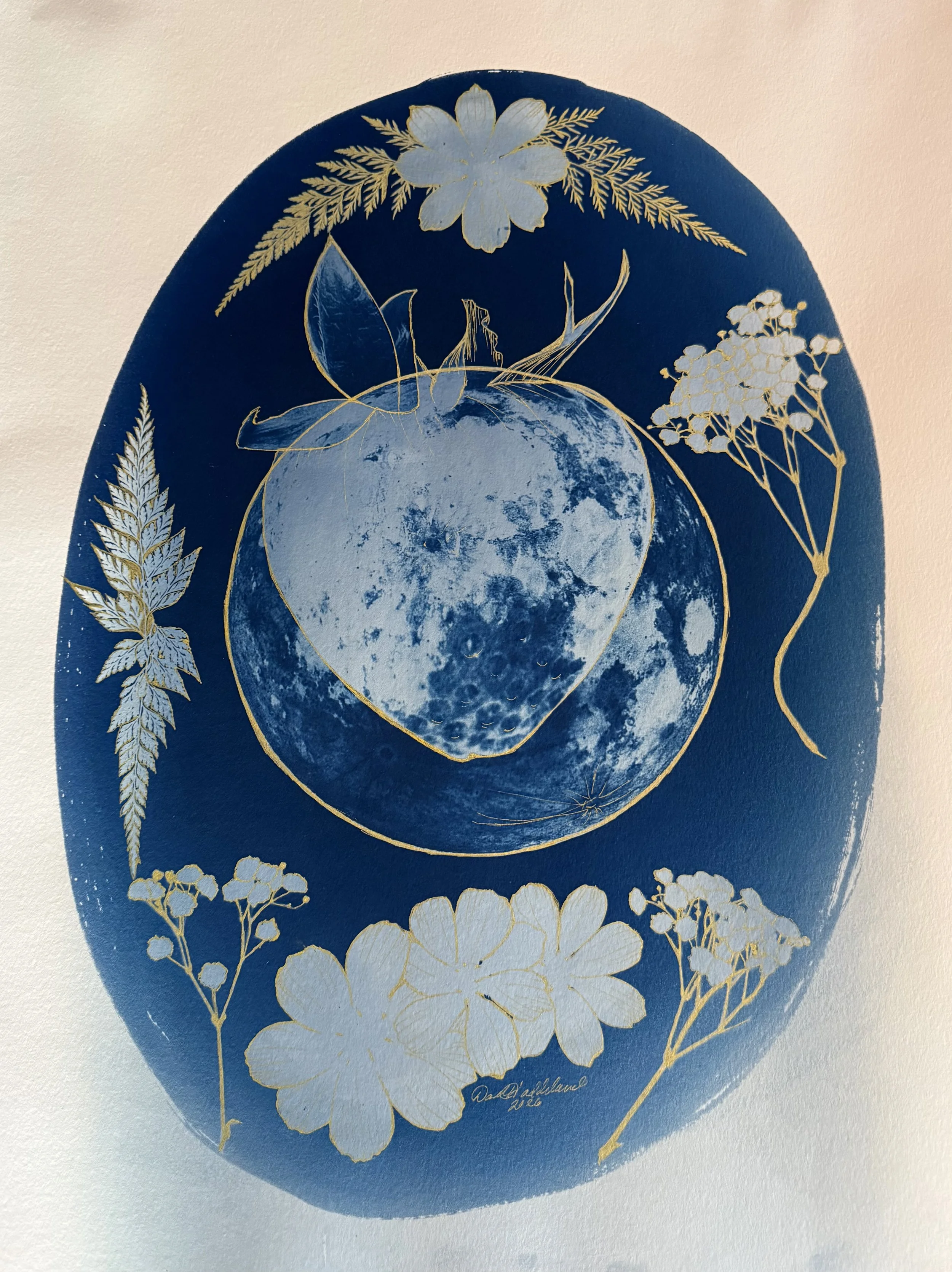
Strawberry Moon
24”X18” Cyanotype and Gold Pen on Paper
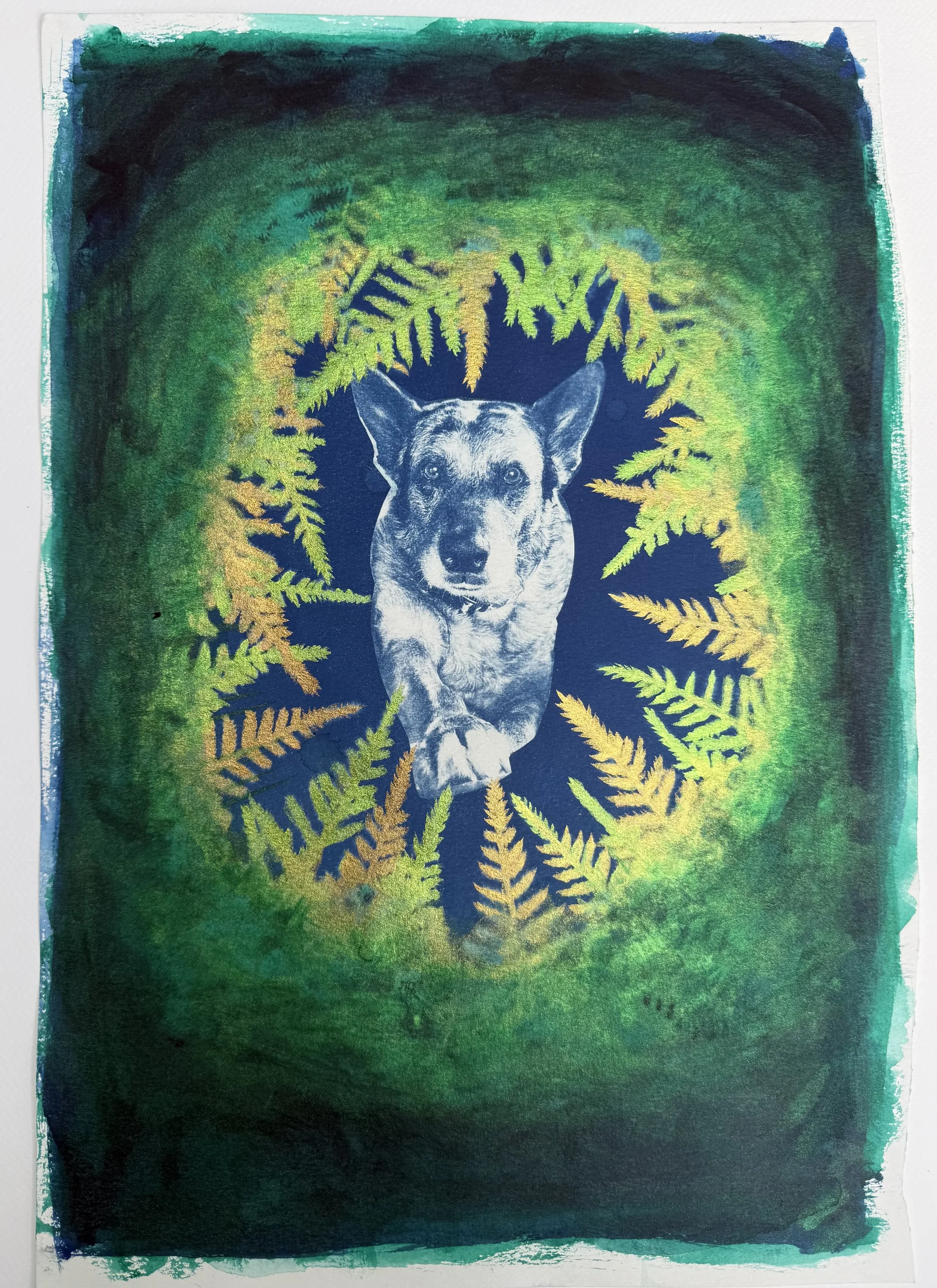
Ajax
12”X18” Cyanotype and Watercolor on Paper
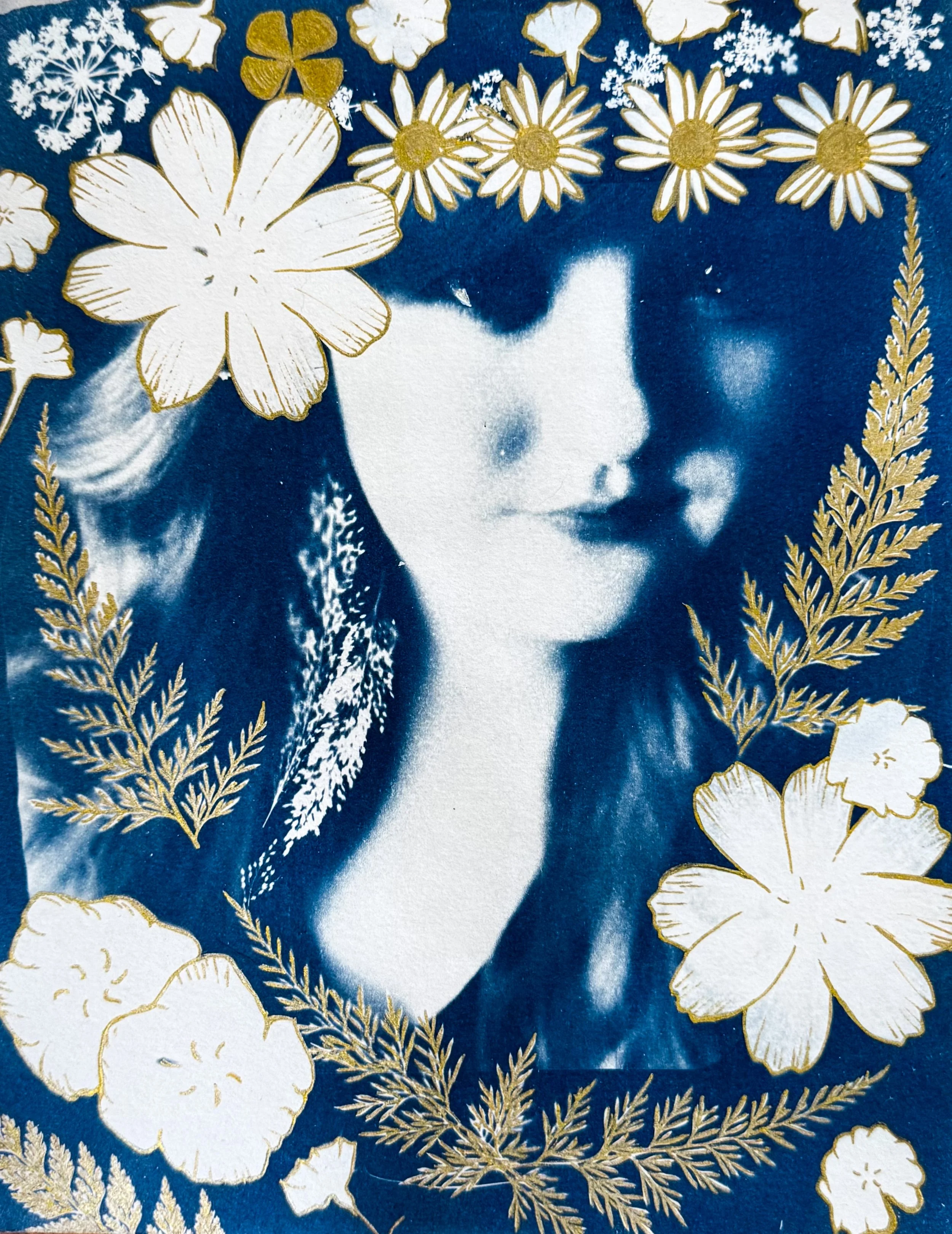
Daisy
8”X10” Cyanotype and Gold Pen on Paper
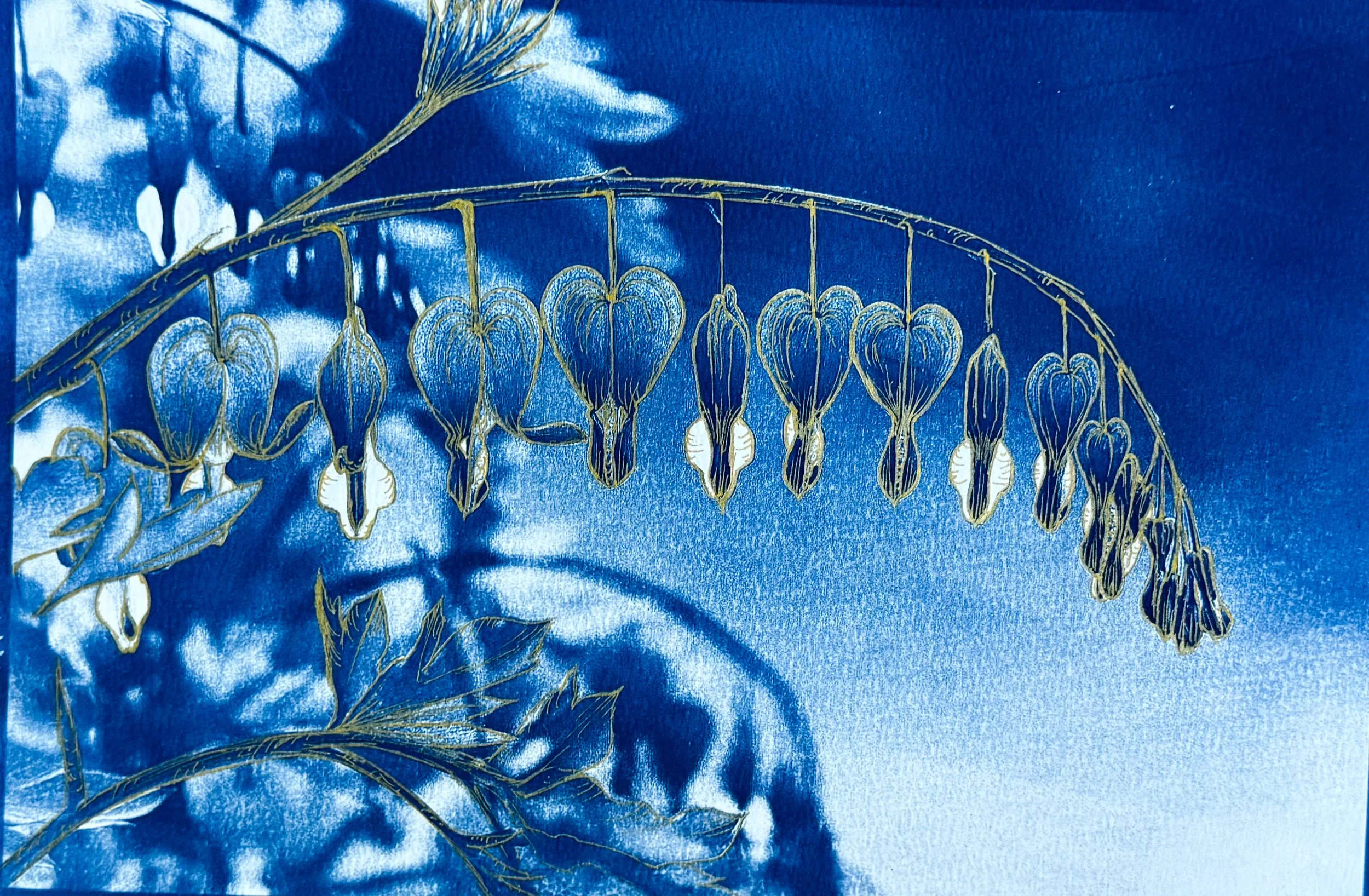
Bleeding Hearts
8”X10” Cyanotype and Gold Ink on Paper
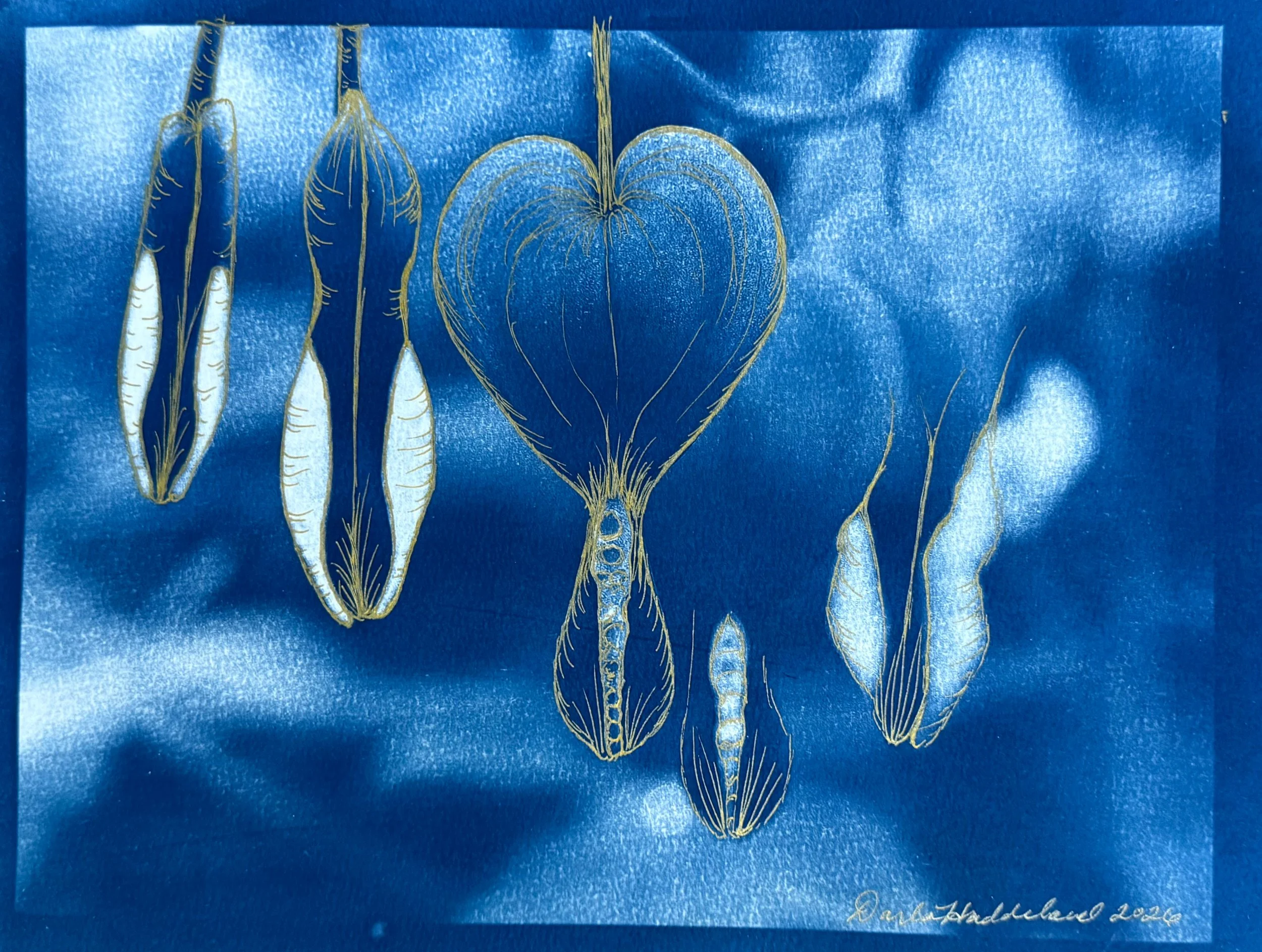
Large Bleeding Heart
8”X10” Cyanotype and Gold Ink on Paper
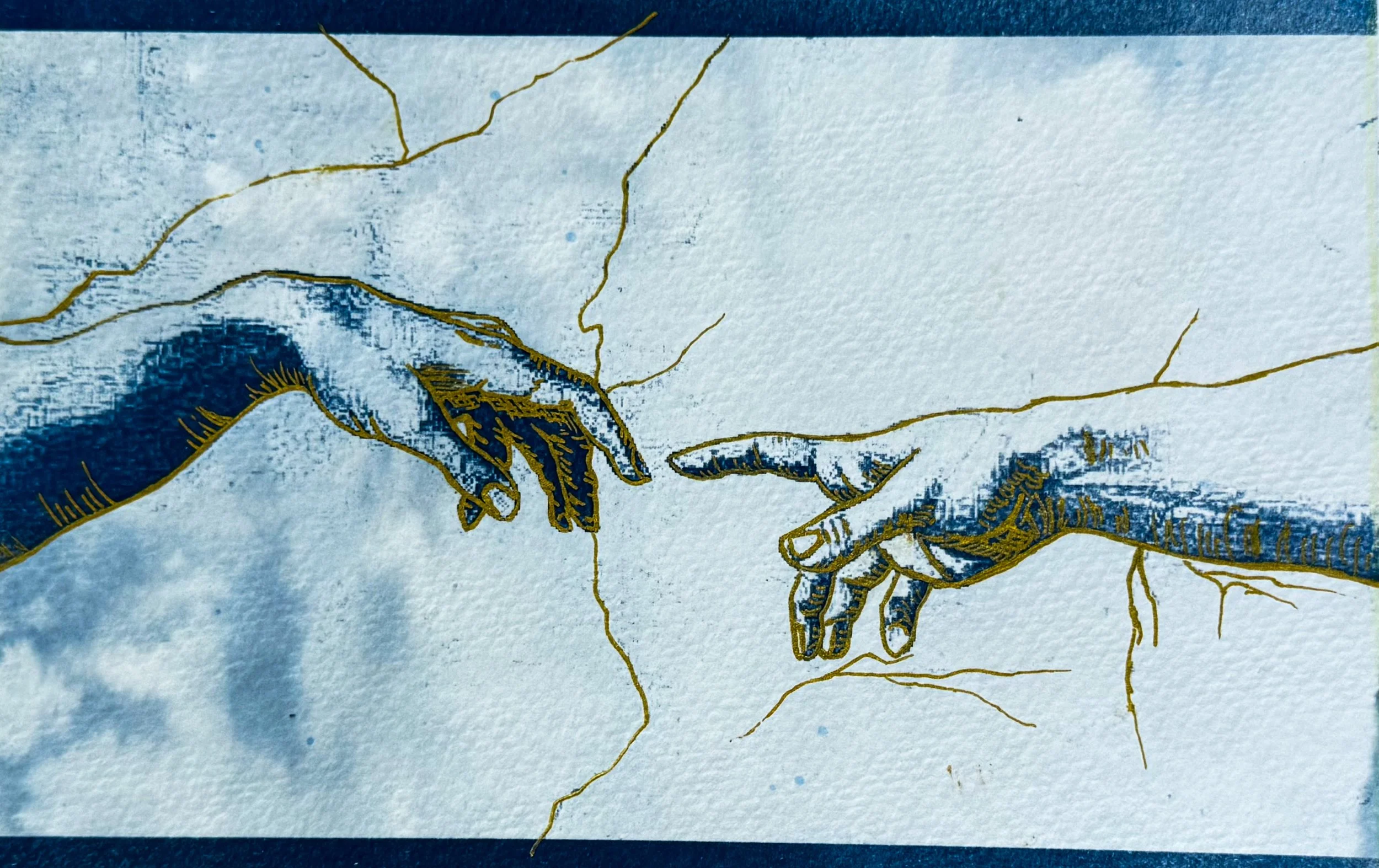
The Creation of Adam
8”X10” Cyanotype and Gold Ink on Paper
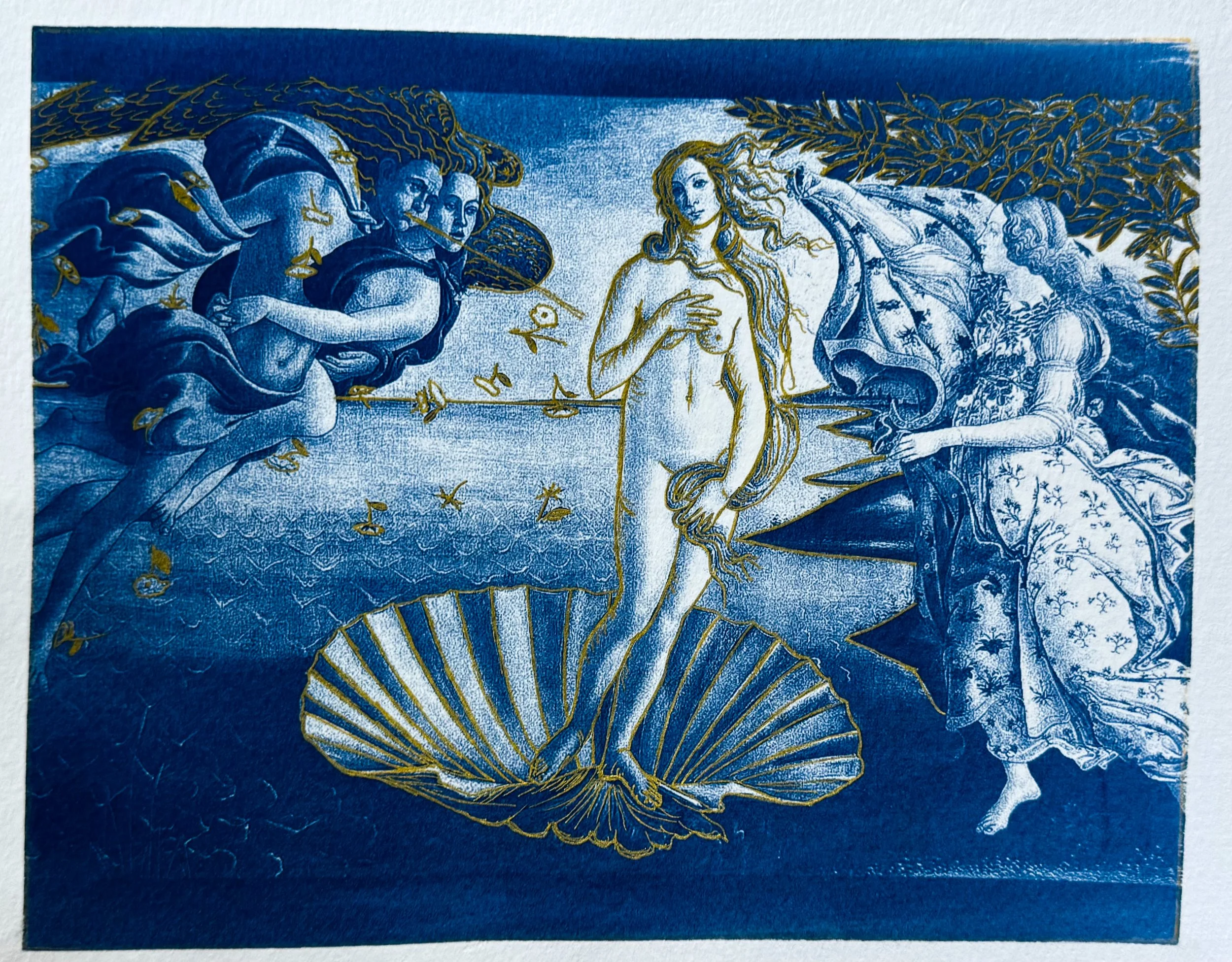
The Birth of Venus by Botticelli 8”X10” Cyanotype and Gold Ink on Paper
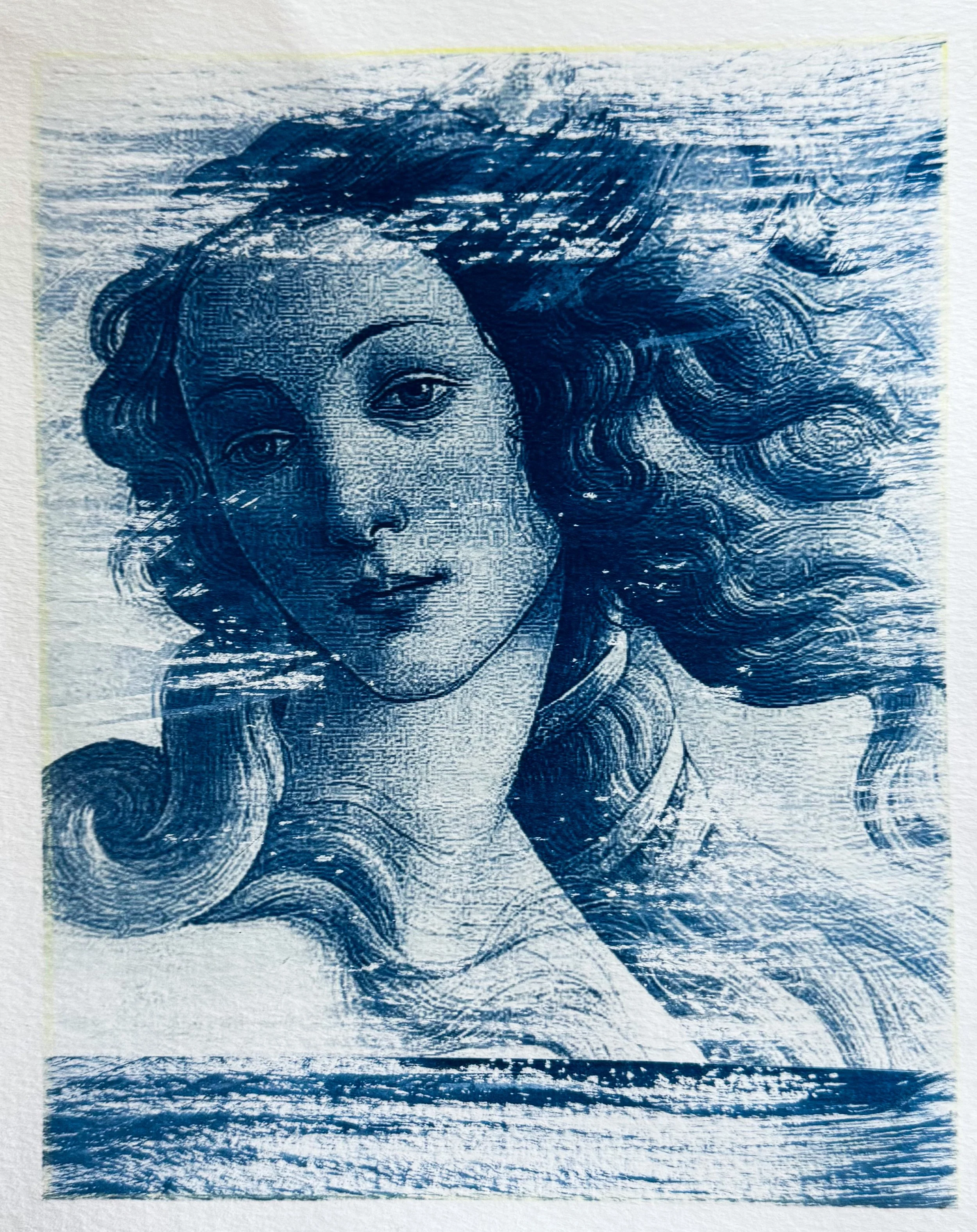
Venus by Botticelli
8”X10” Cyanotype on Paper
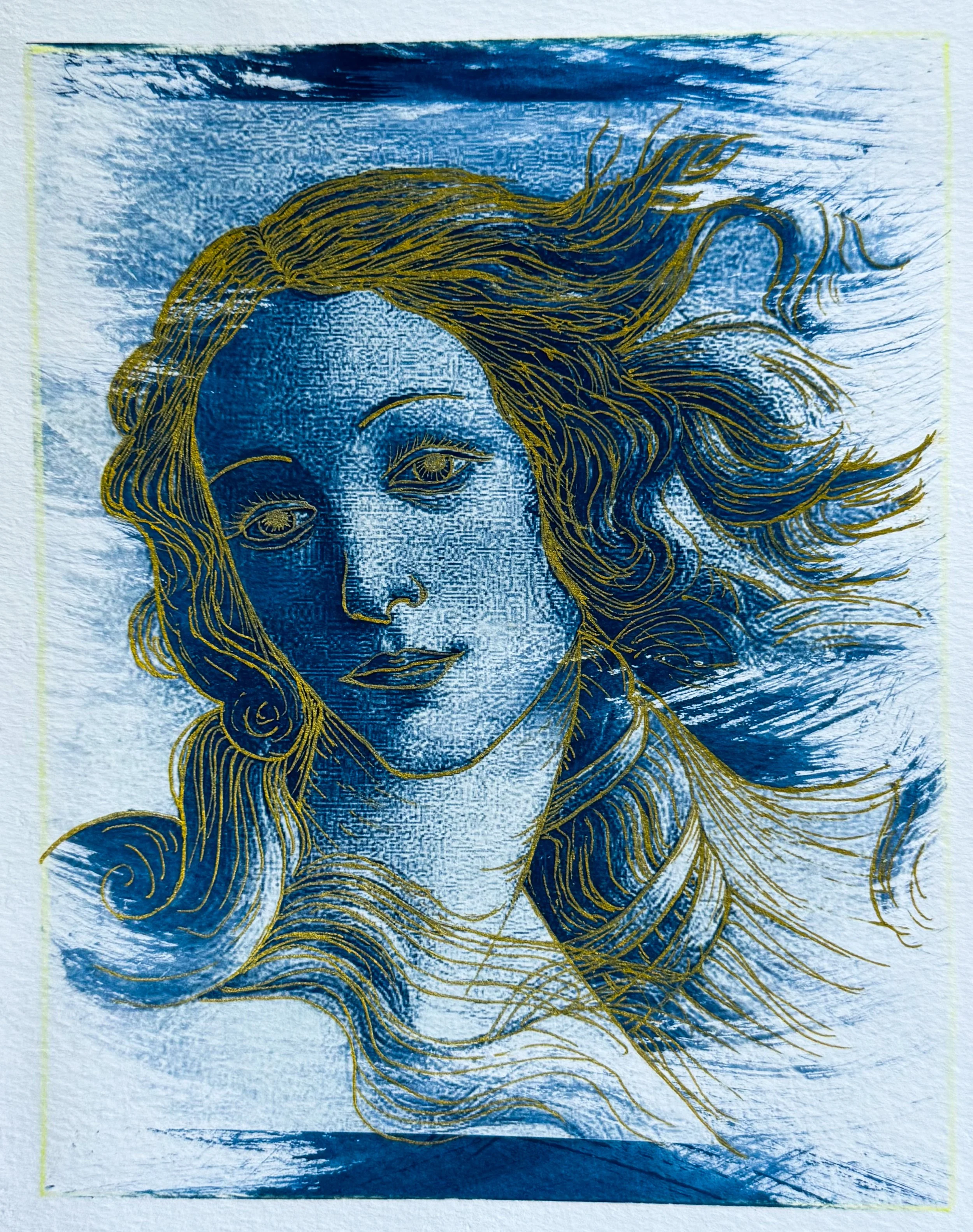
Venus by Botticelli
8”X10” Cyanotype and Gold Ink on Paper
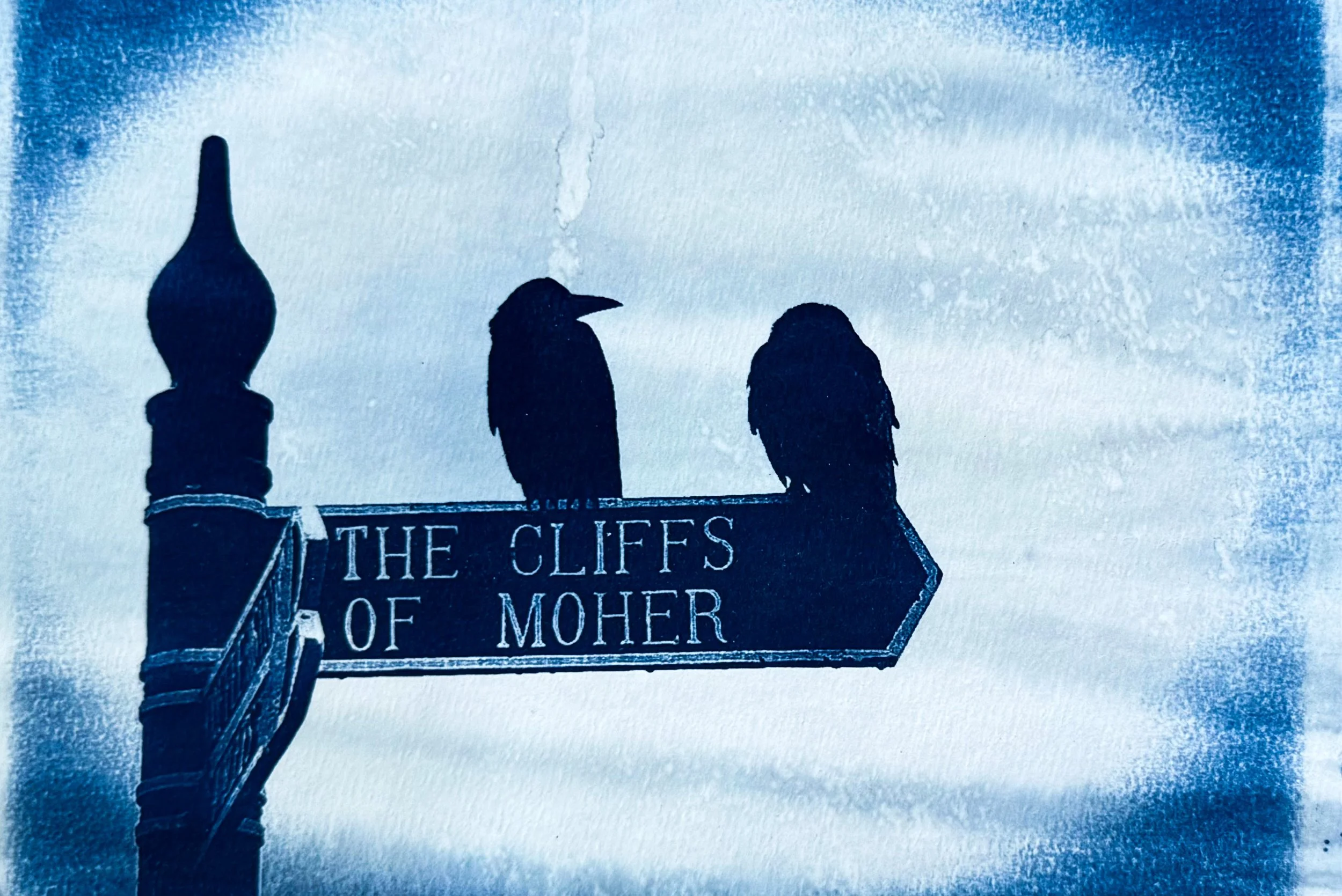
Cliffs of Moher Ravens
8”X10” Cyanotype on Paper
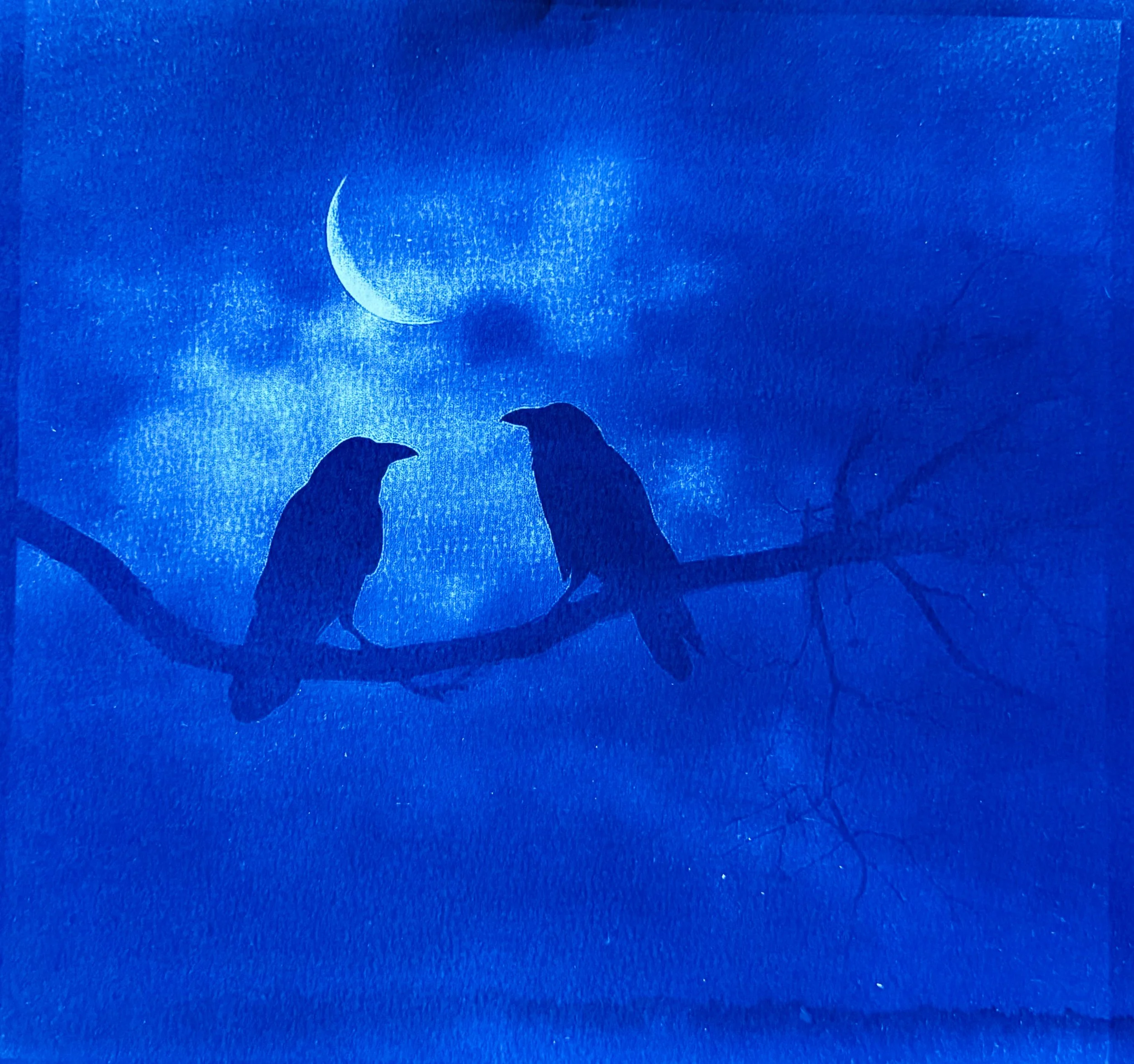
Moonlit Ravens
8”X10” Cyanotype on Paper
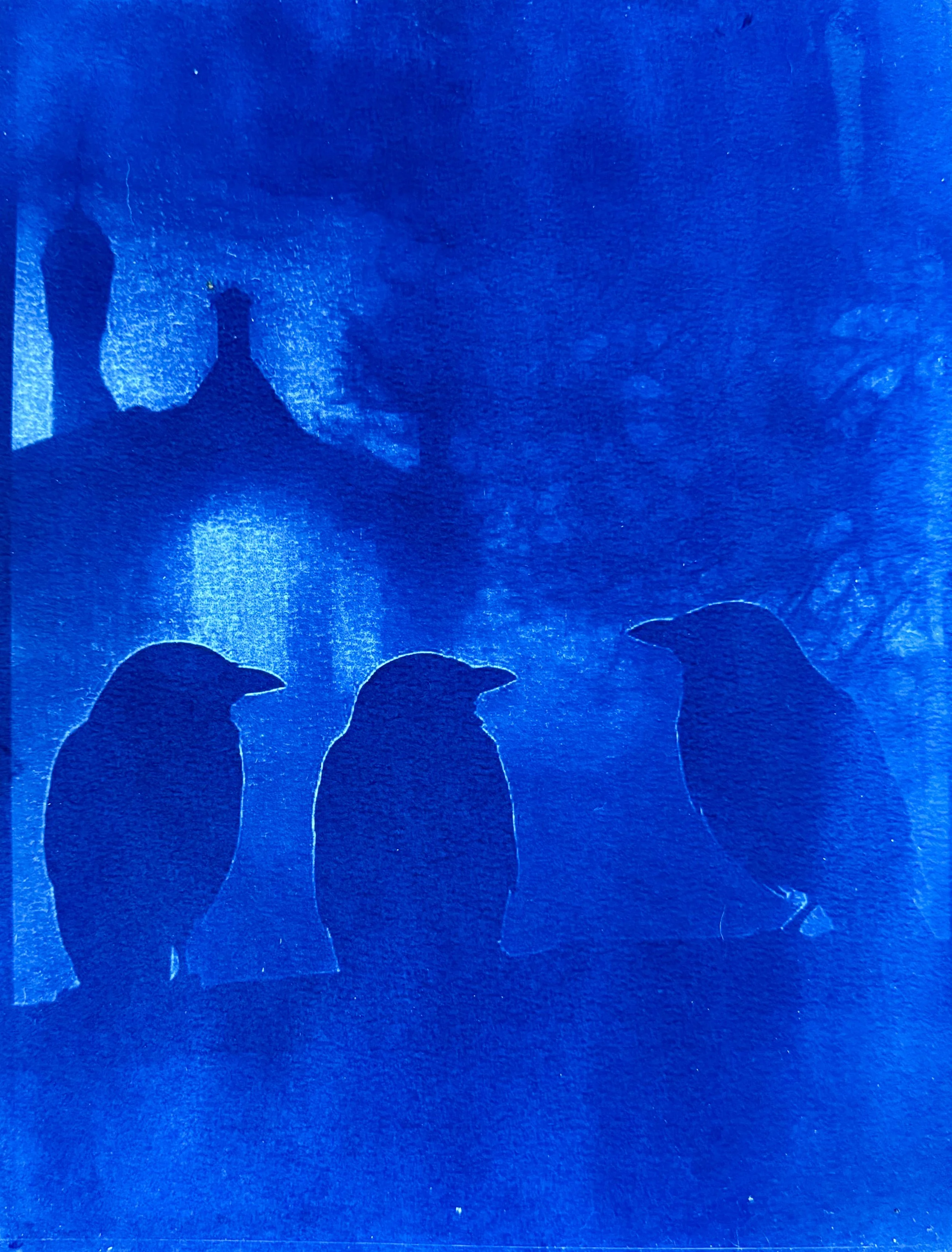
The Meeting
8”X10” Cyanotype on Paper
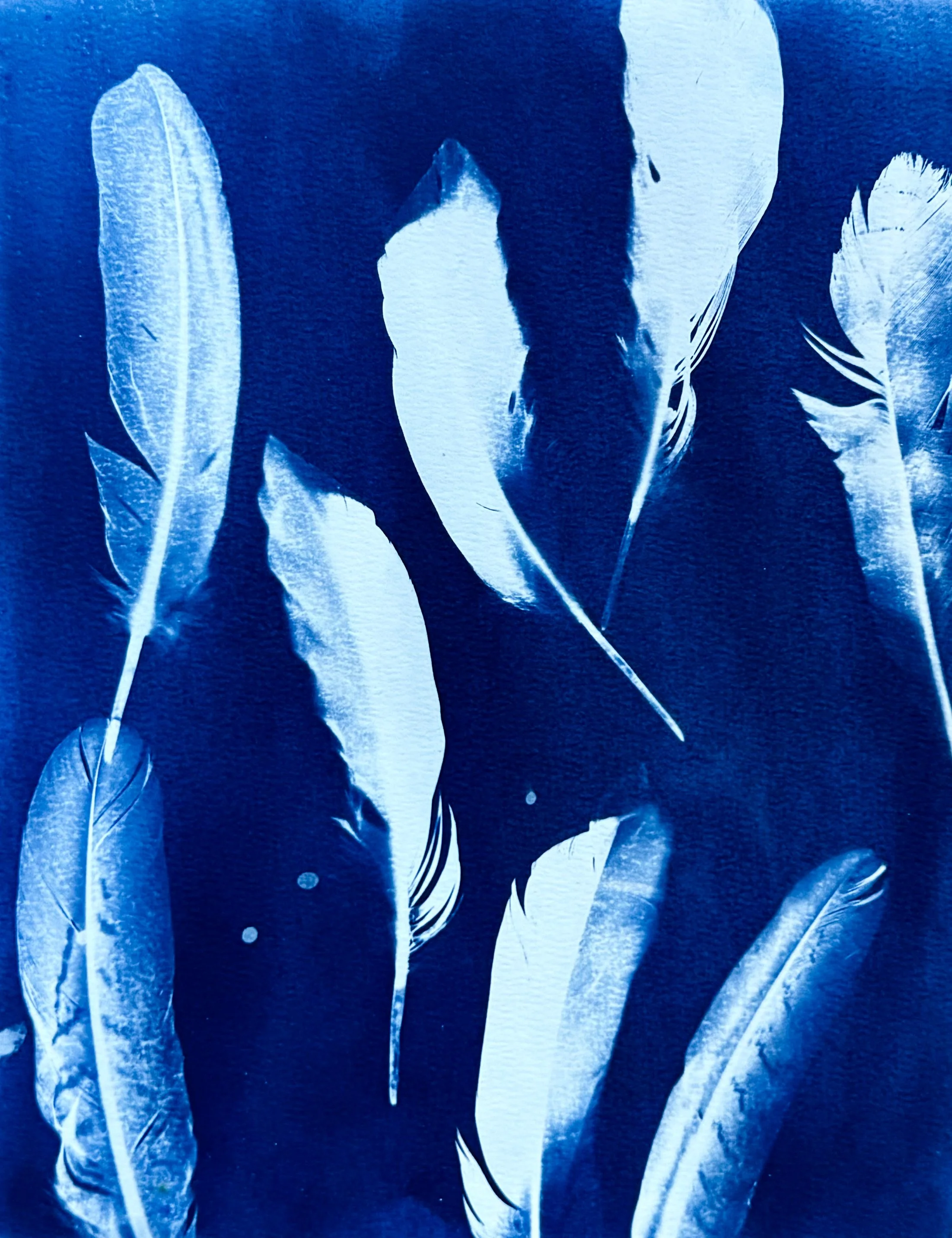
Feathers
8”X10” Cyanotype on Paper
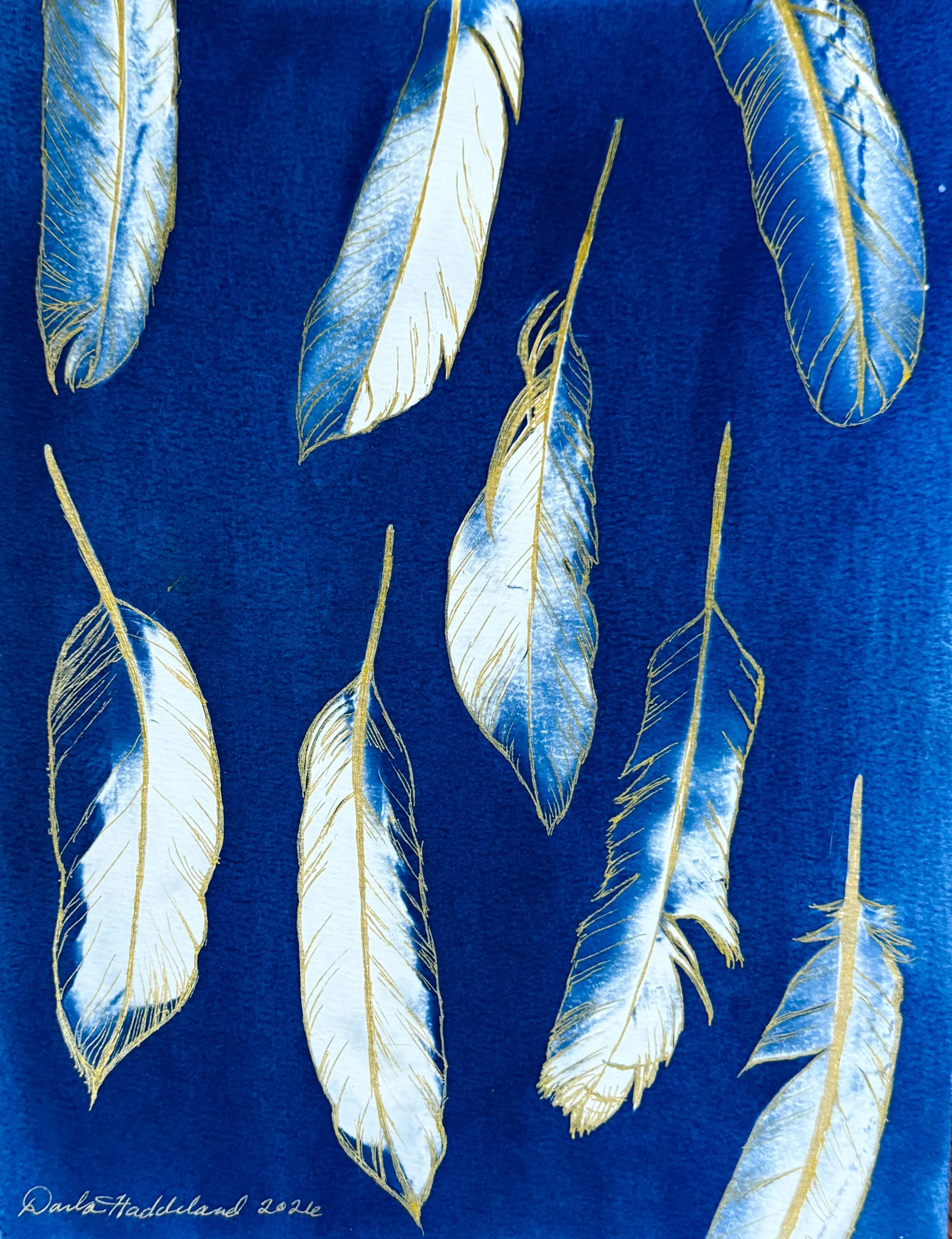
Golden Feathers
8”X10” Cyanotype and Gold Ink on Paper
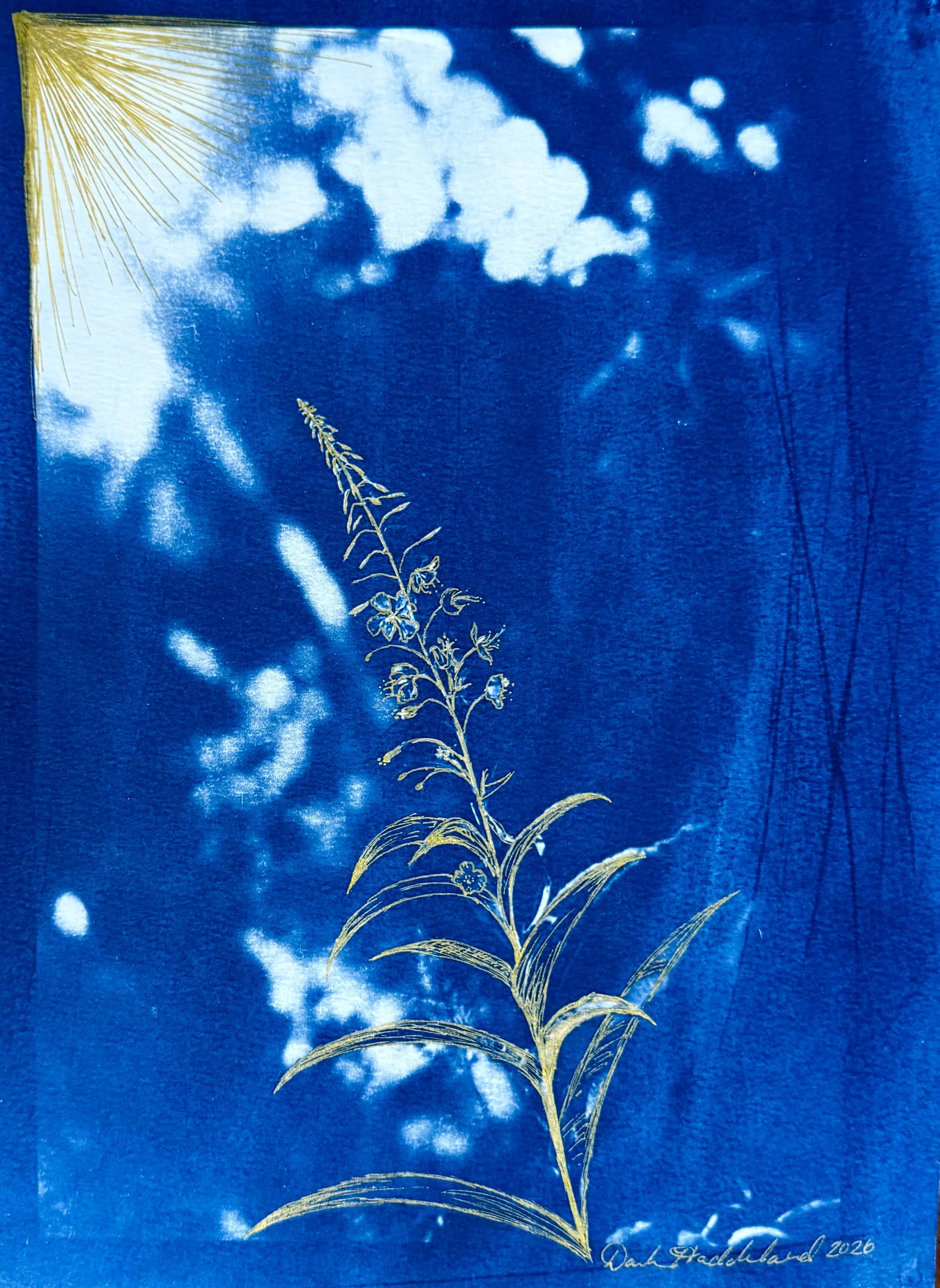
Fireweed
8”X10” Cyanotype and Gold Ink on Paper
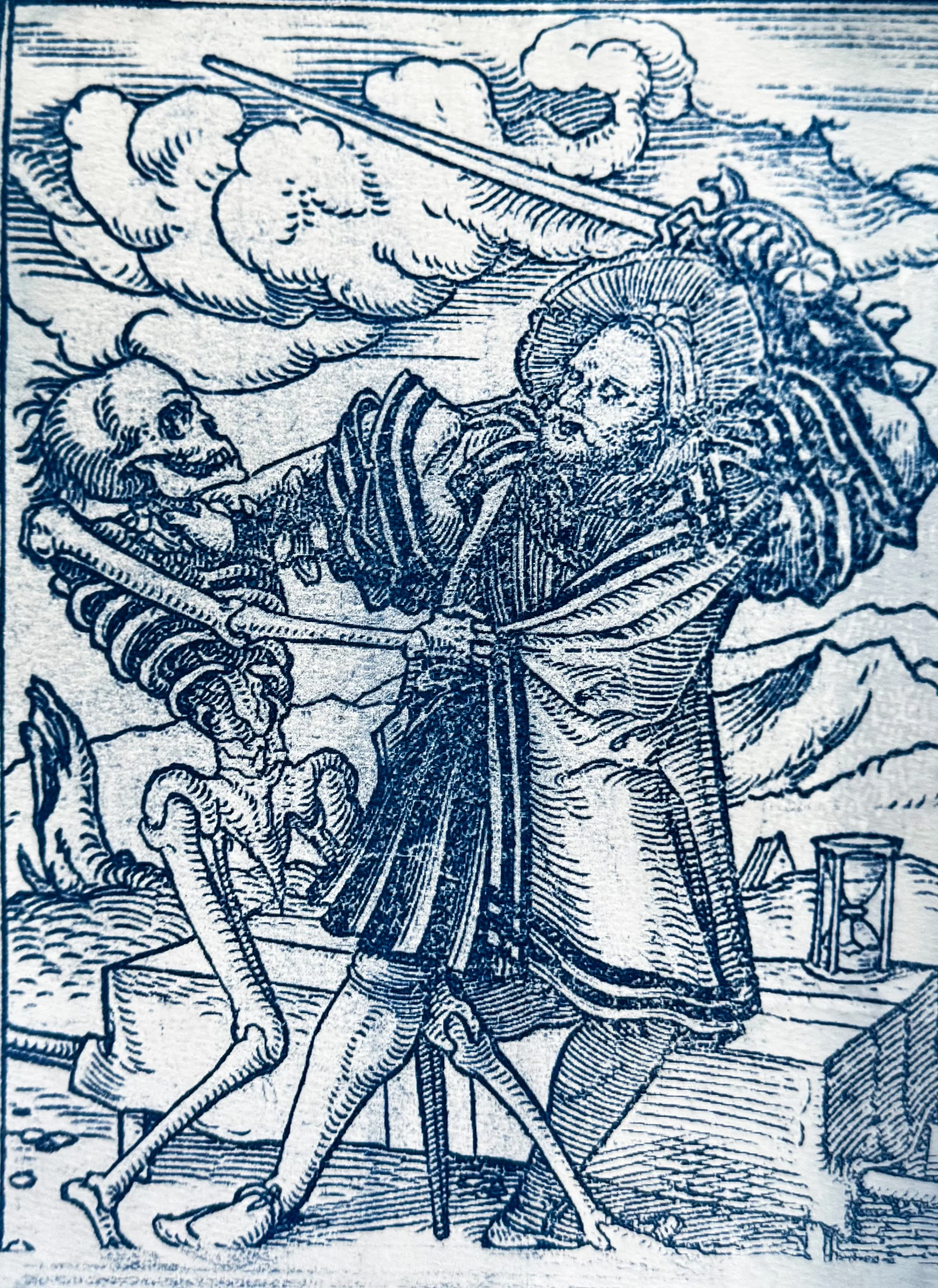
From Dance of Death, The Nobleman - Holbein
8”X10” Cyanotype on Paper
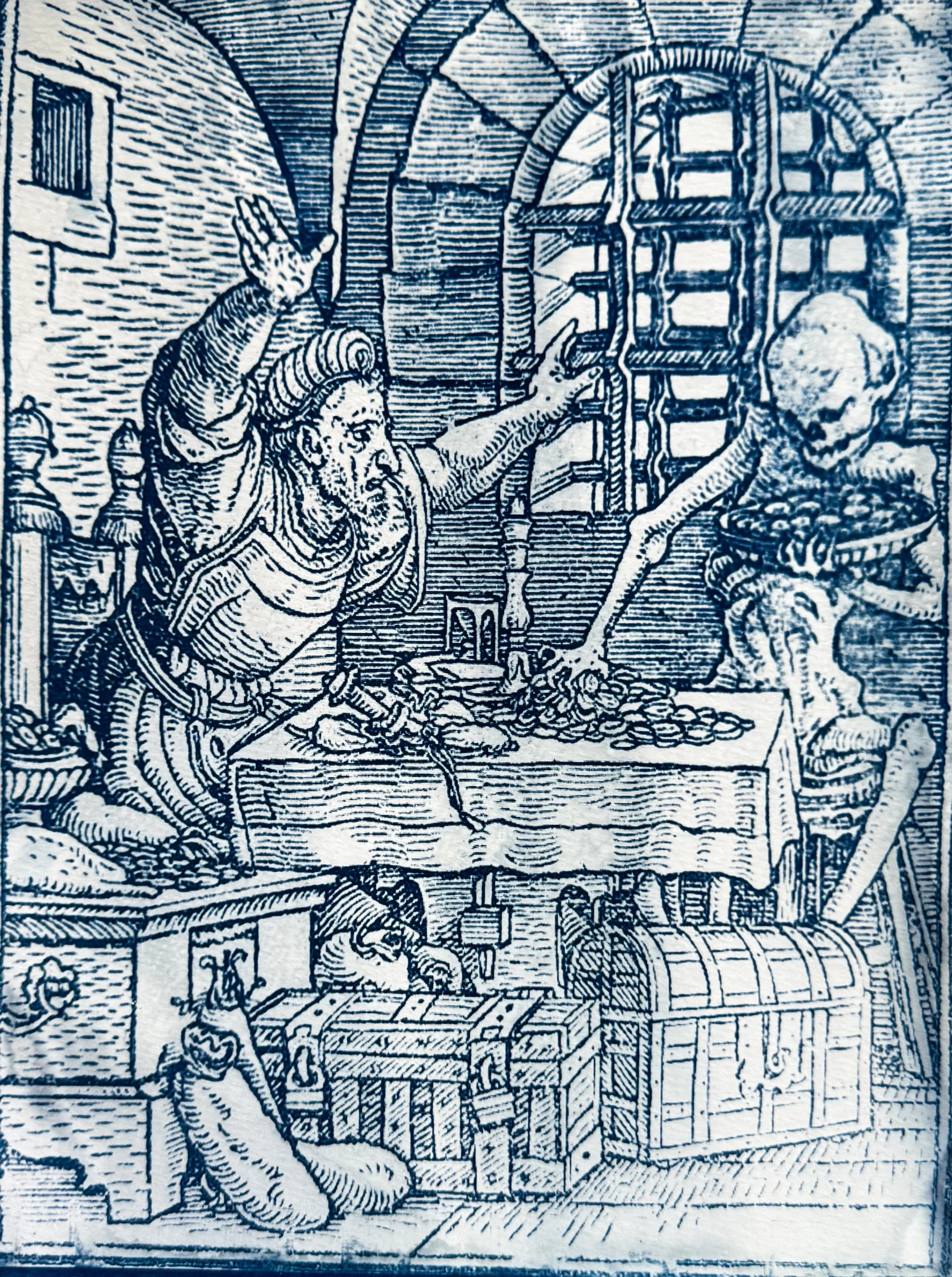
From Dance of Death, The Miser - Holbein
8”X10” Cyanotype on Paper
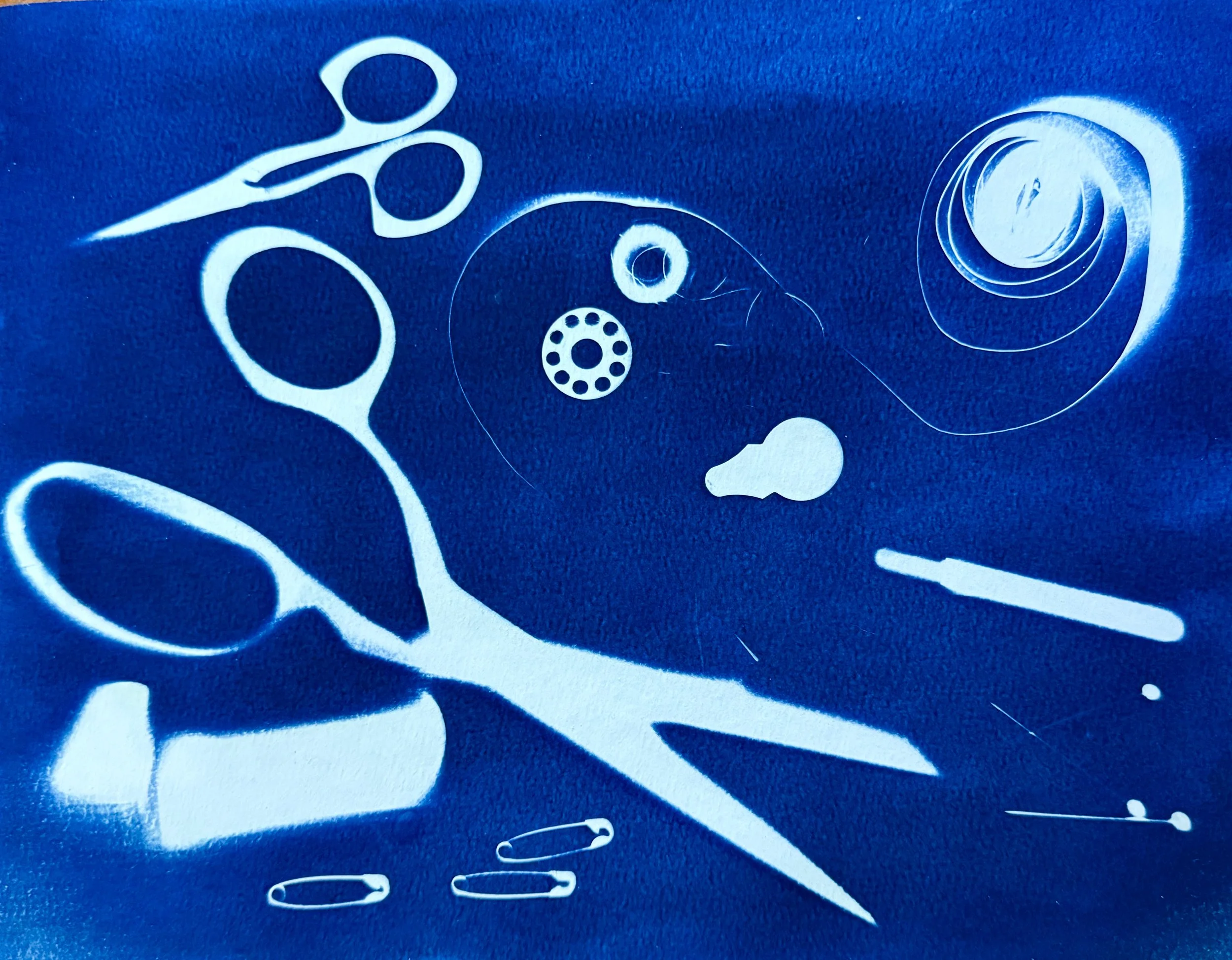
Sewing Tools
8”X10” Cyanotype on Paper
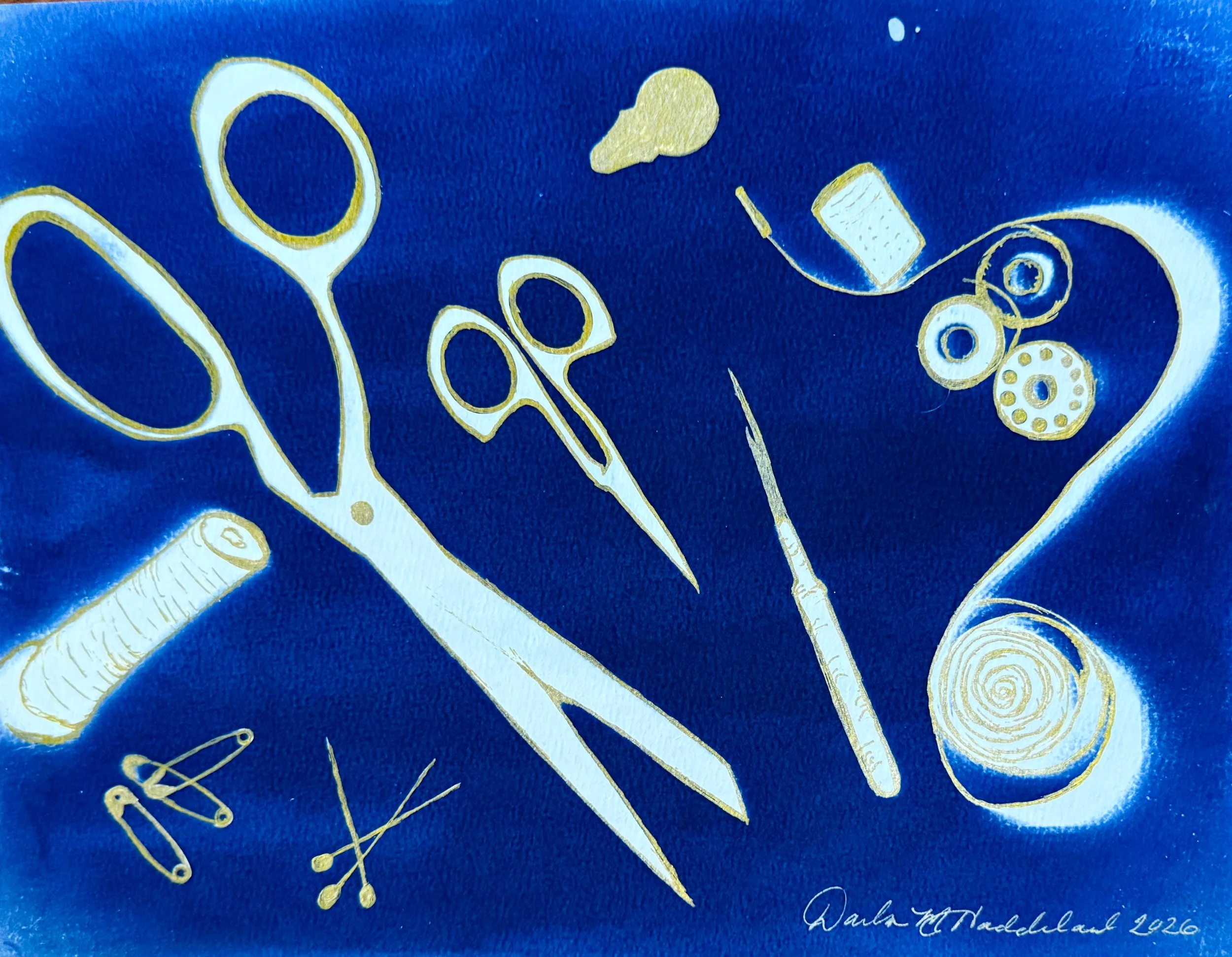
Sewing Tools
8”X10” Cyanotype and Gold Ink on Paper
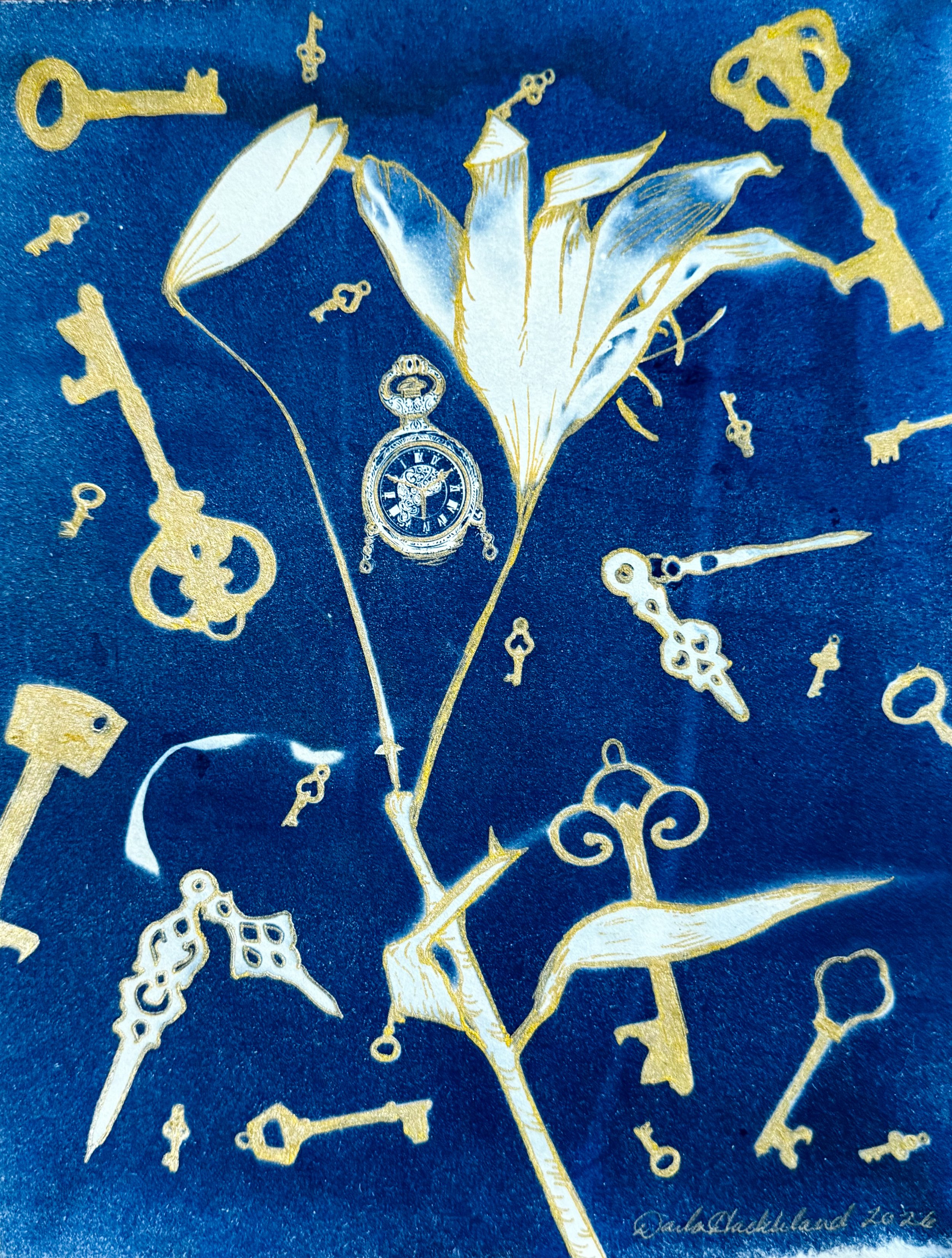
Time Touches All
8”X10” Cyanotype and Gold Ink on Paper
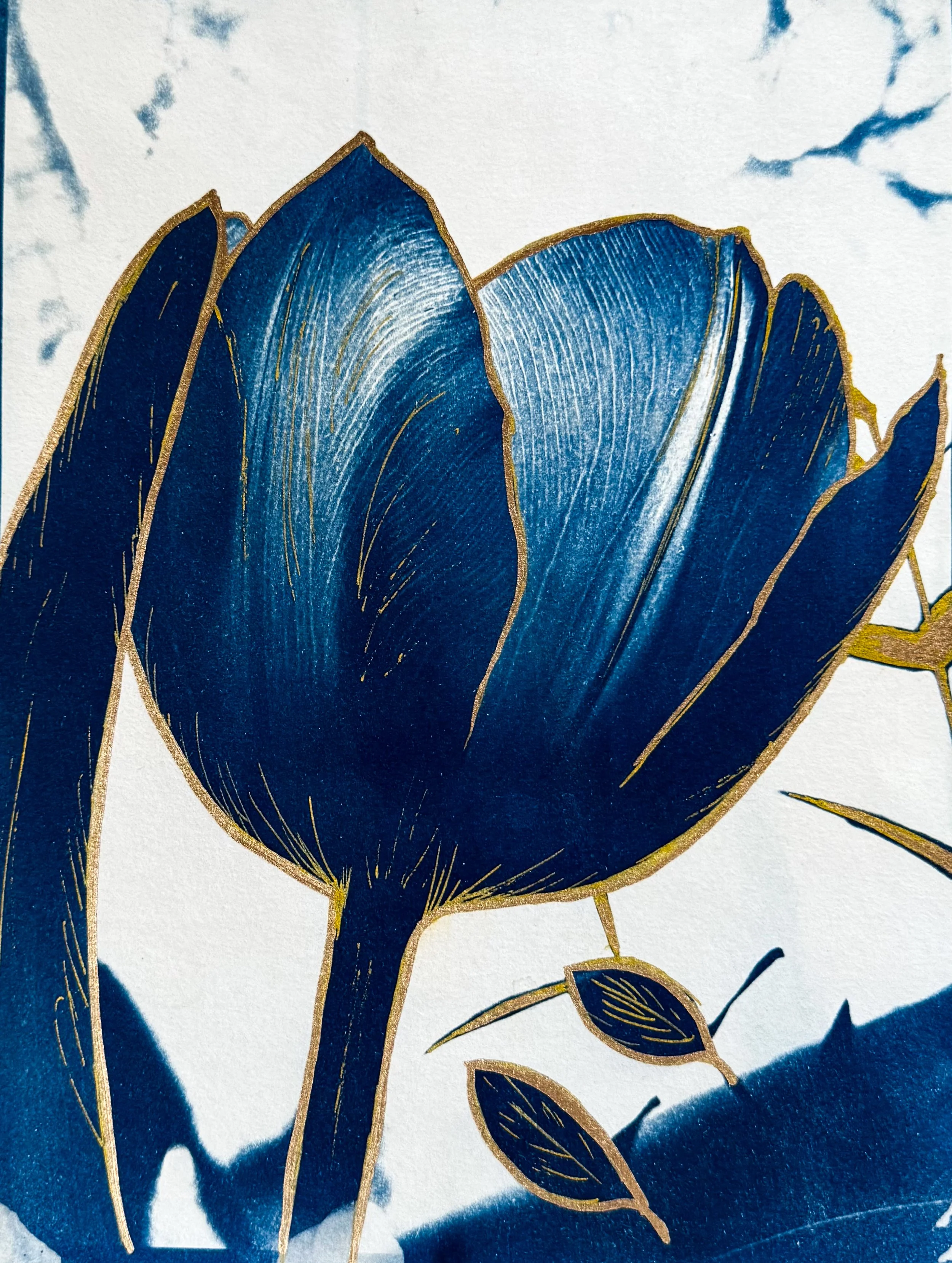
Tulip
8”X10” Cyanotype and Gold Ink on Paper
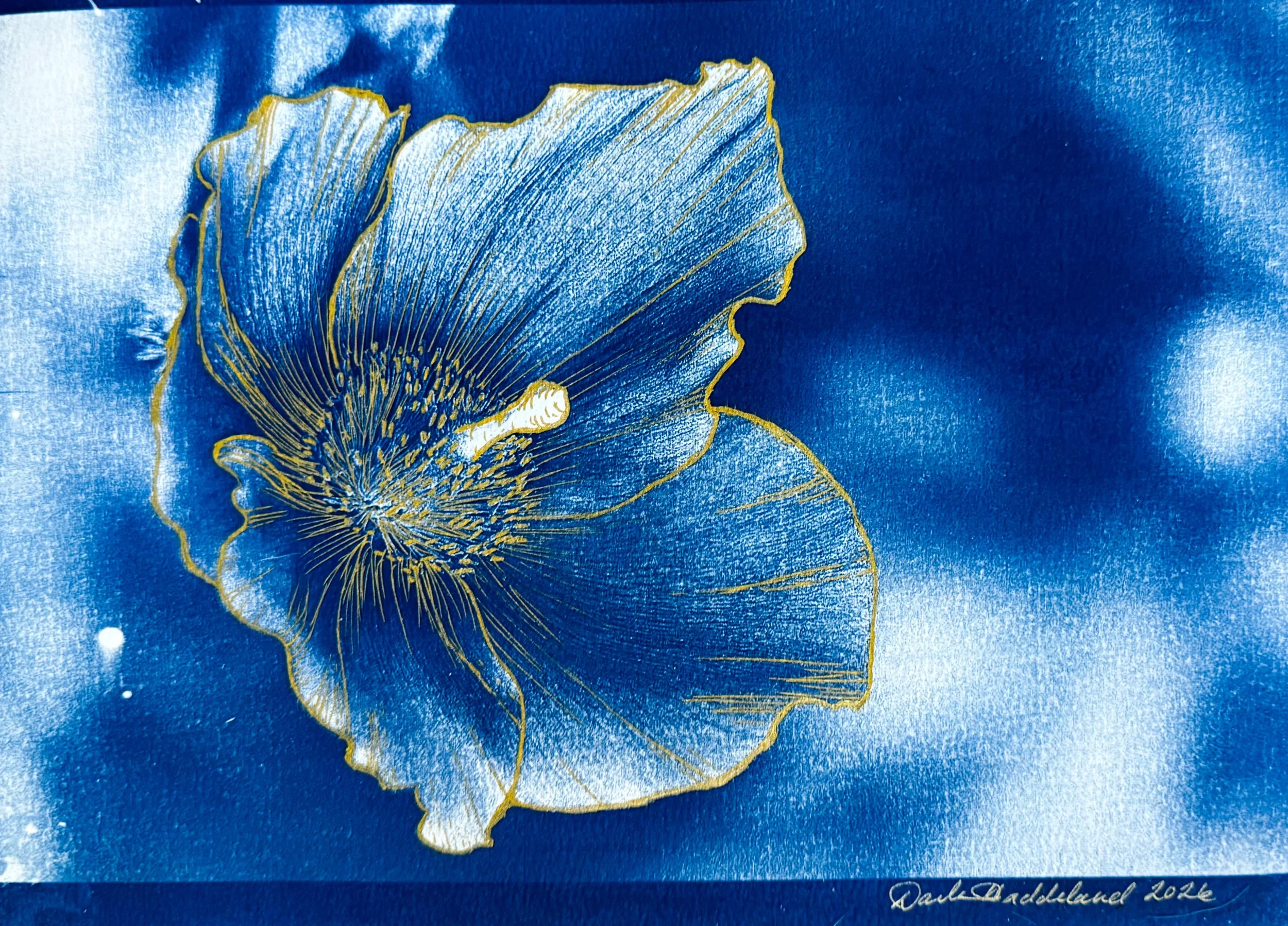
Himalayan Poppy
8”X10” Cyanotype and Gold Ink on Paper
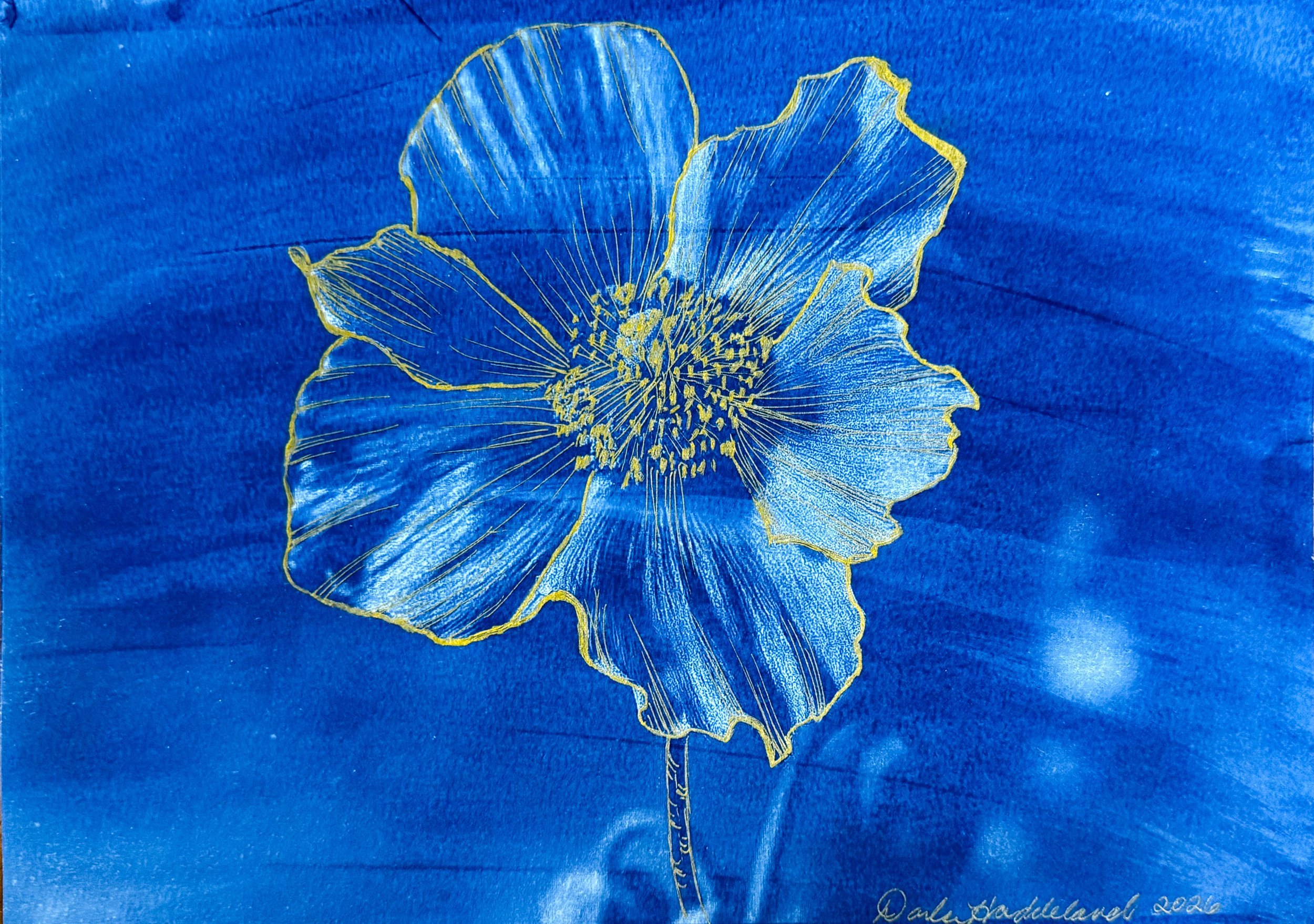
Himalayan Poppy
8”X10” Cyanotype and Gold Ink on Paper
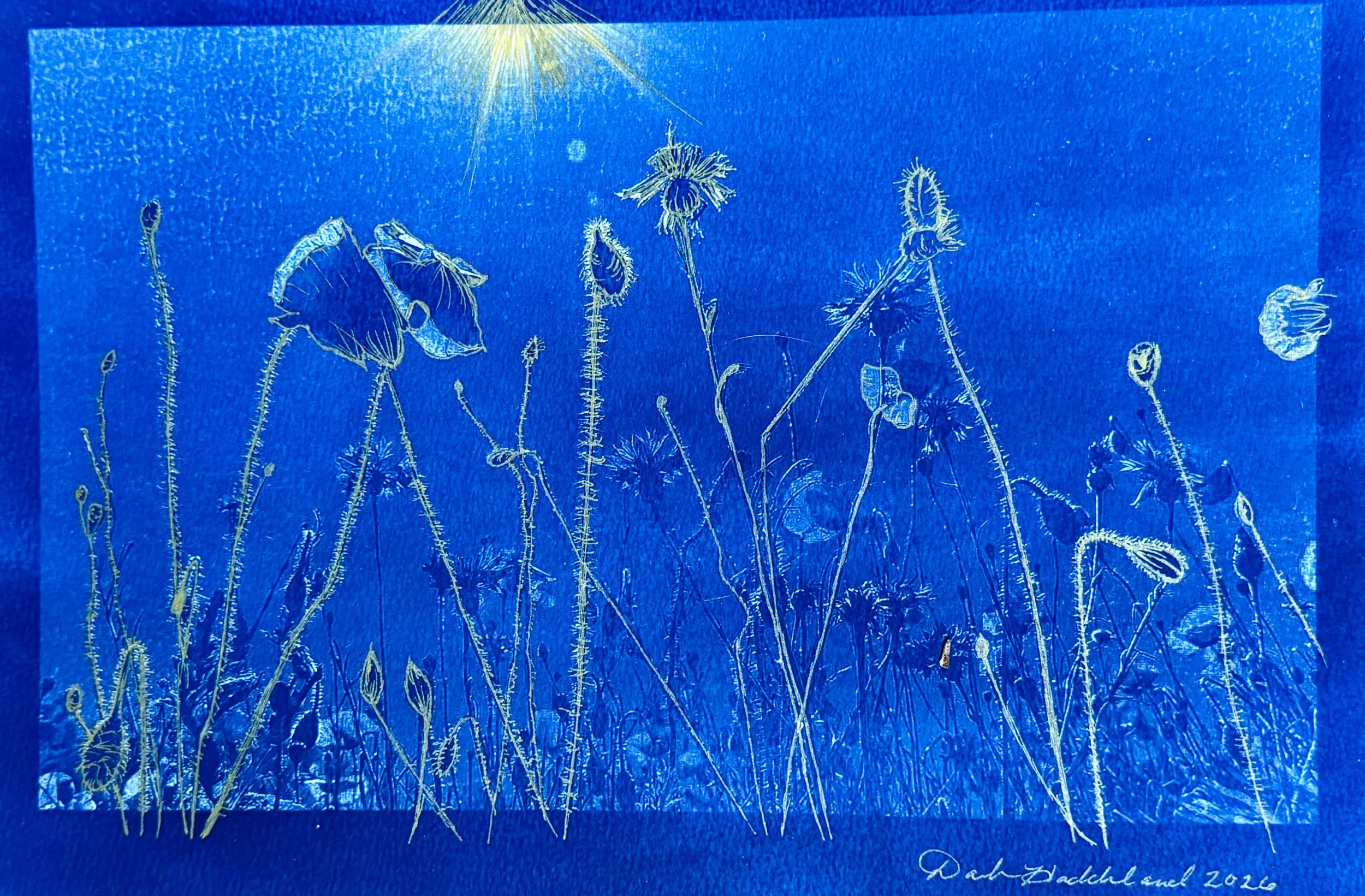
Poppy Field
8”X10” Cyanotype and Gold Ink on Paper
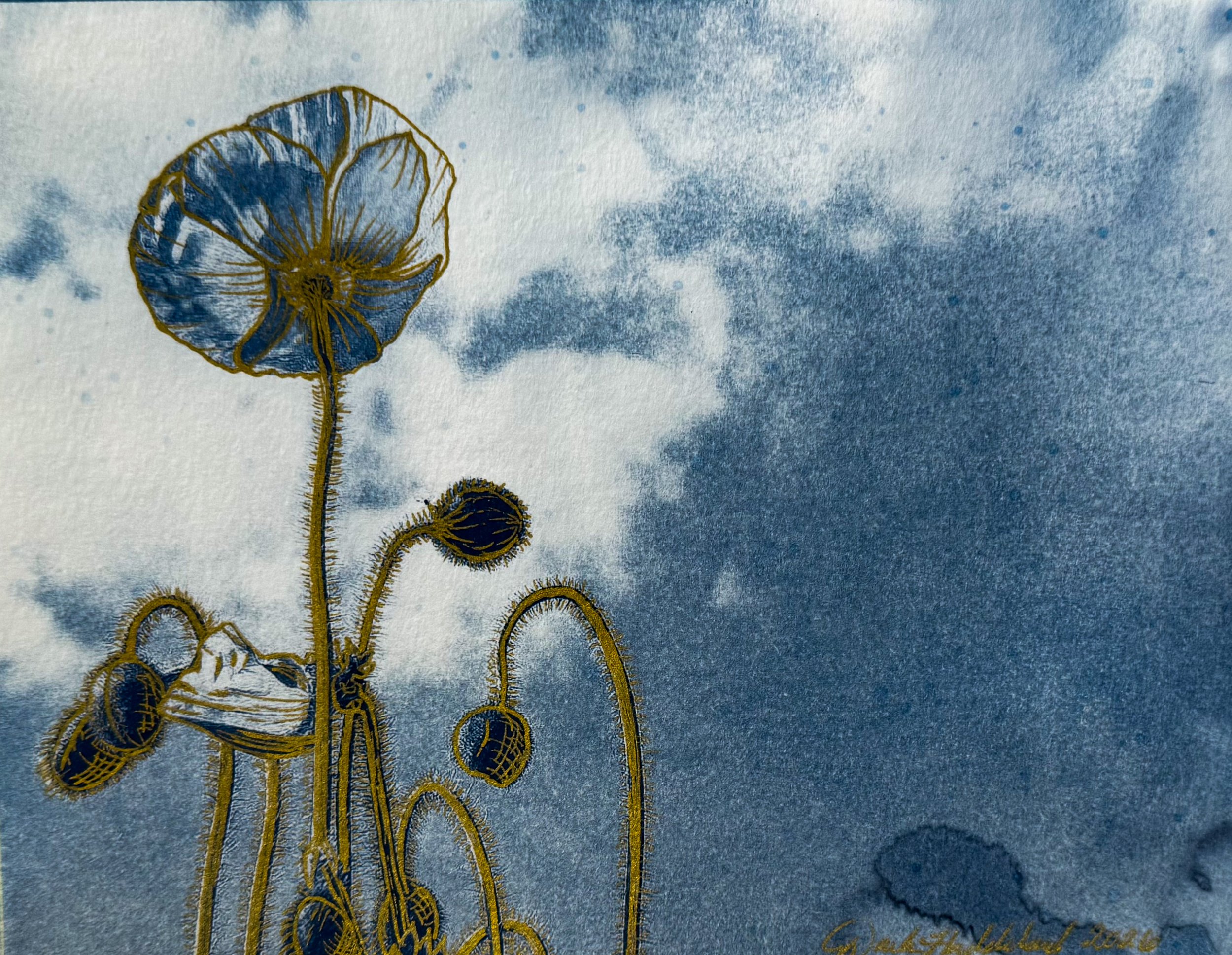
Poppy Bunch
8”X10” Cyanotype and Gold Ink on Paper
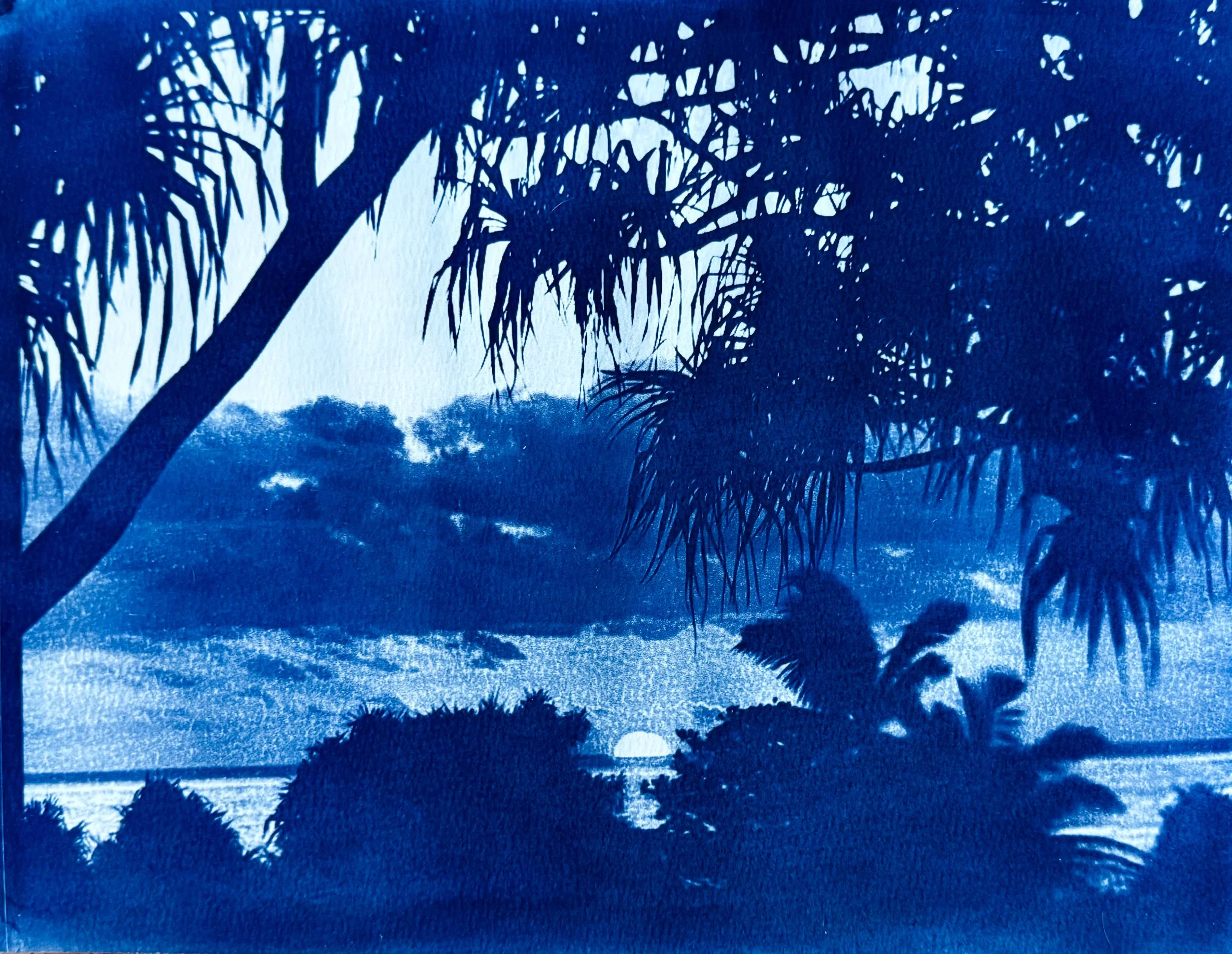
Maui Sunset
8”X10” Cyanotype on Paper
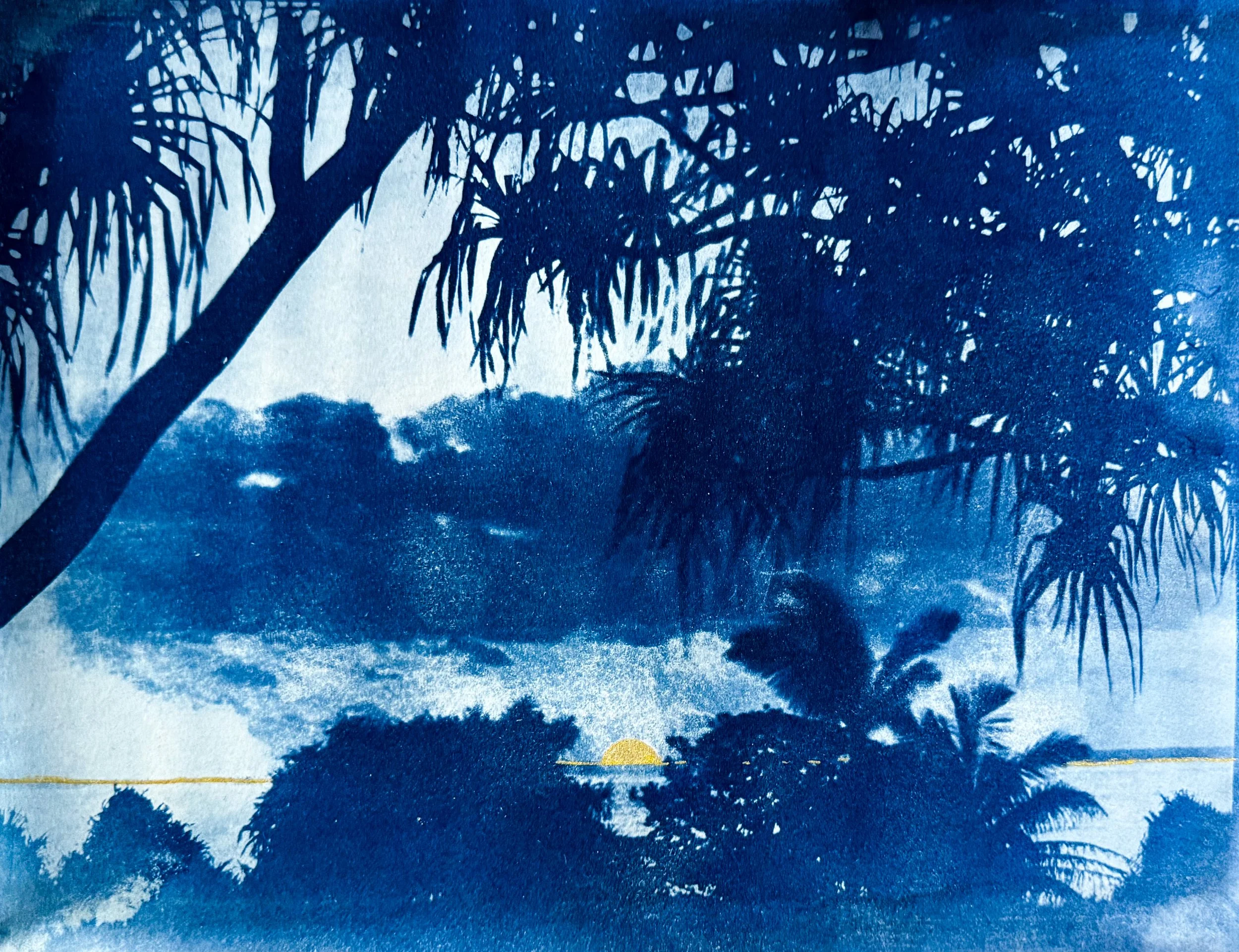
Maui Sunset
8”X10” Cyanotype and Gold Ink on Paper
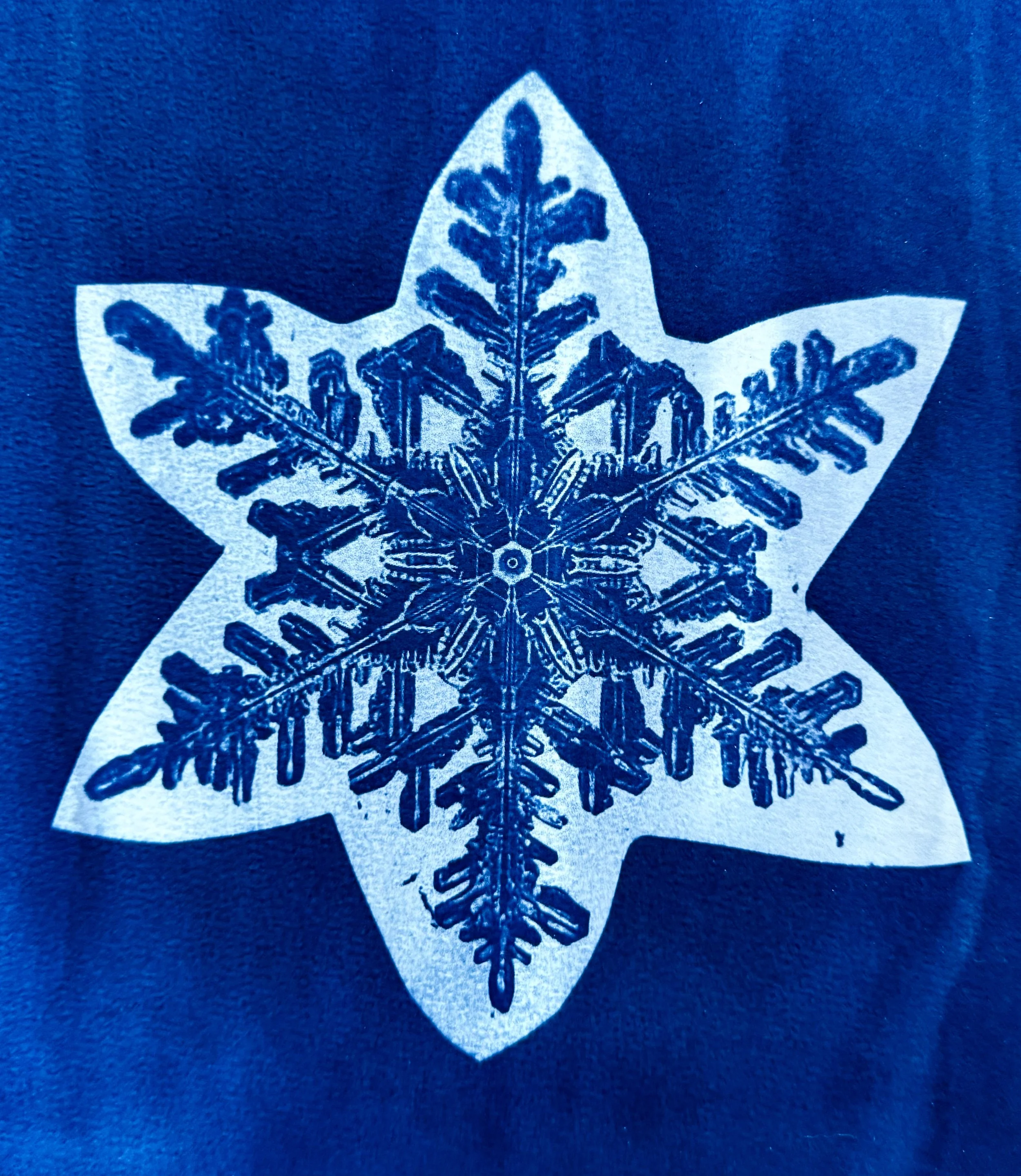
Snowflake Under Microscope
8”X10” Cyanotype on Paper
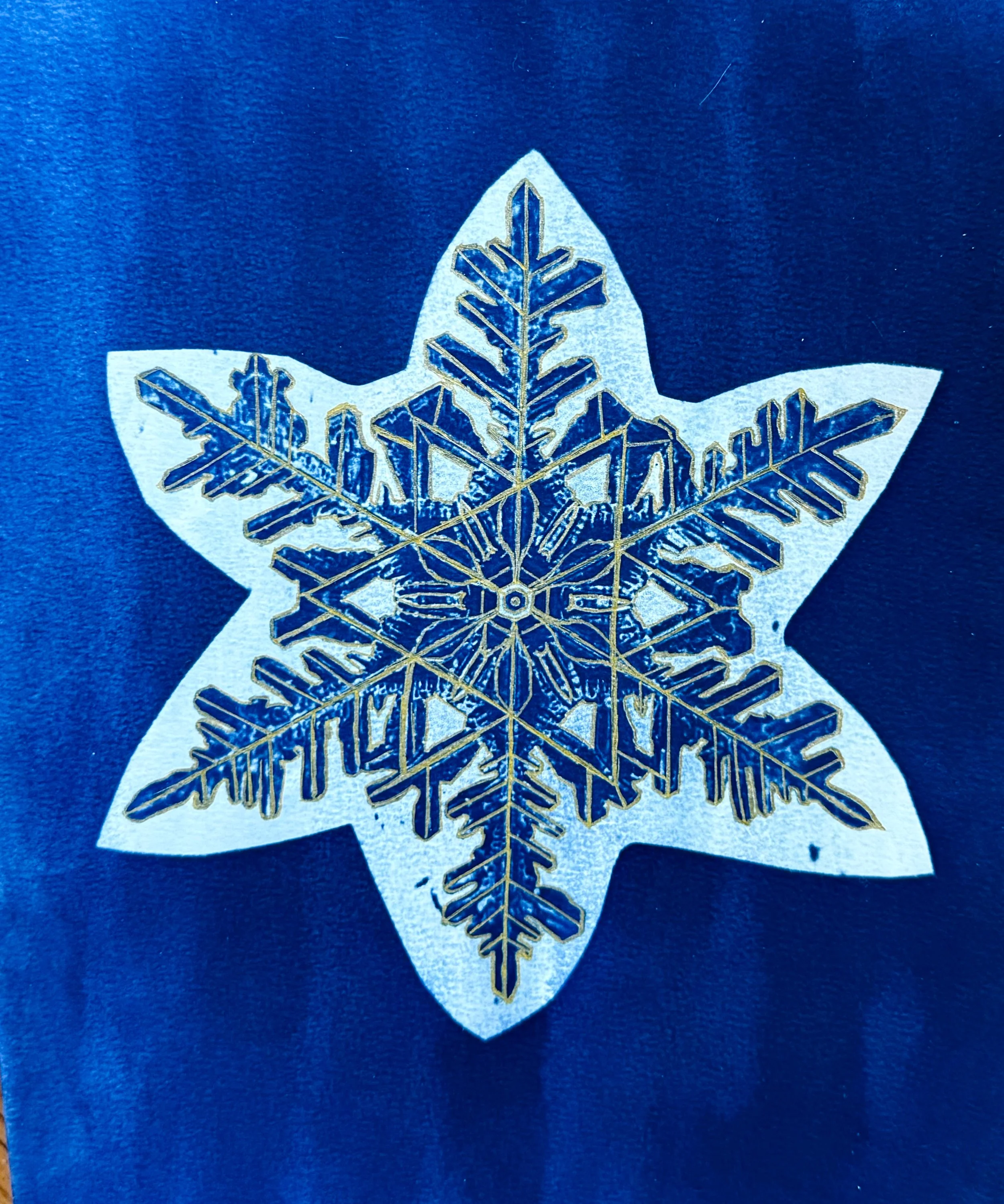
Snowflake Under Microscope
8”X10” Cyanotype and Gold Ink on Paper
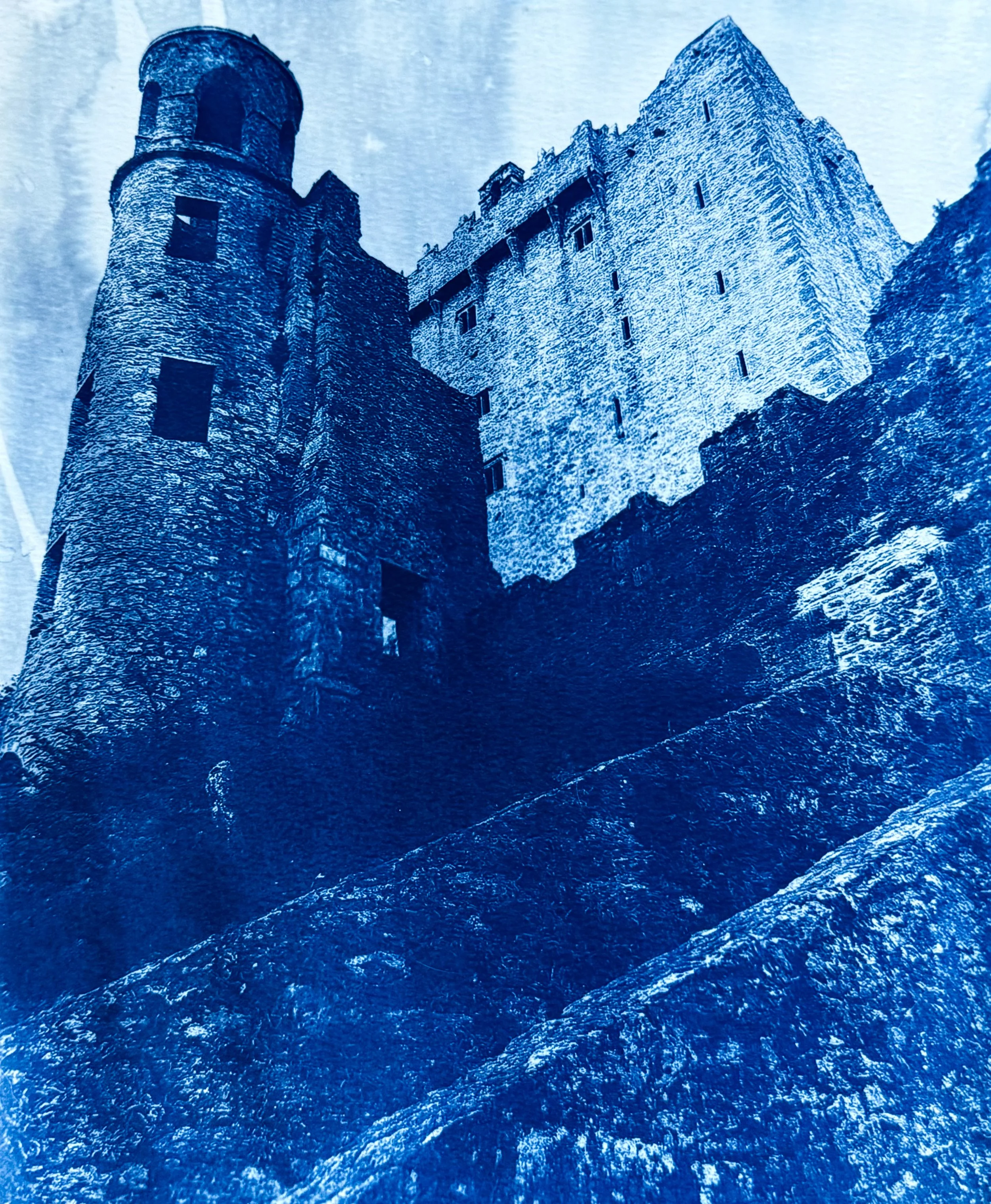
Blarney Castle
8”X10” Cyanotype on Paper
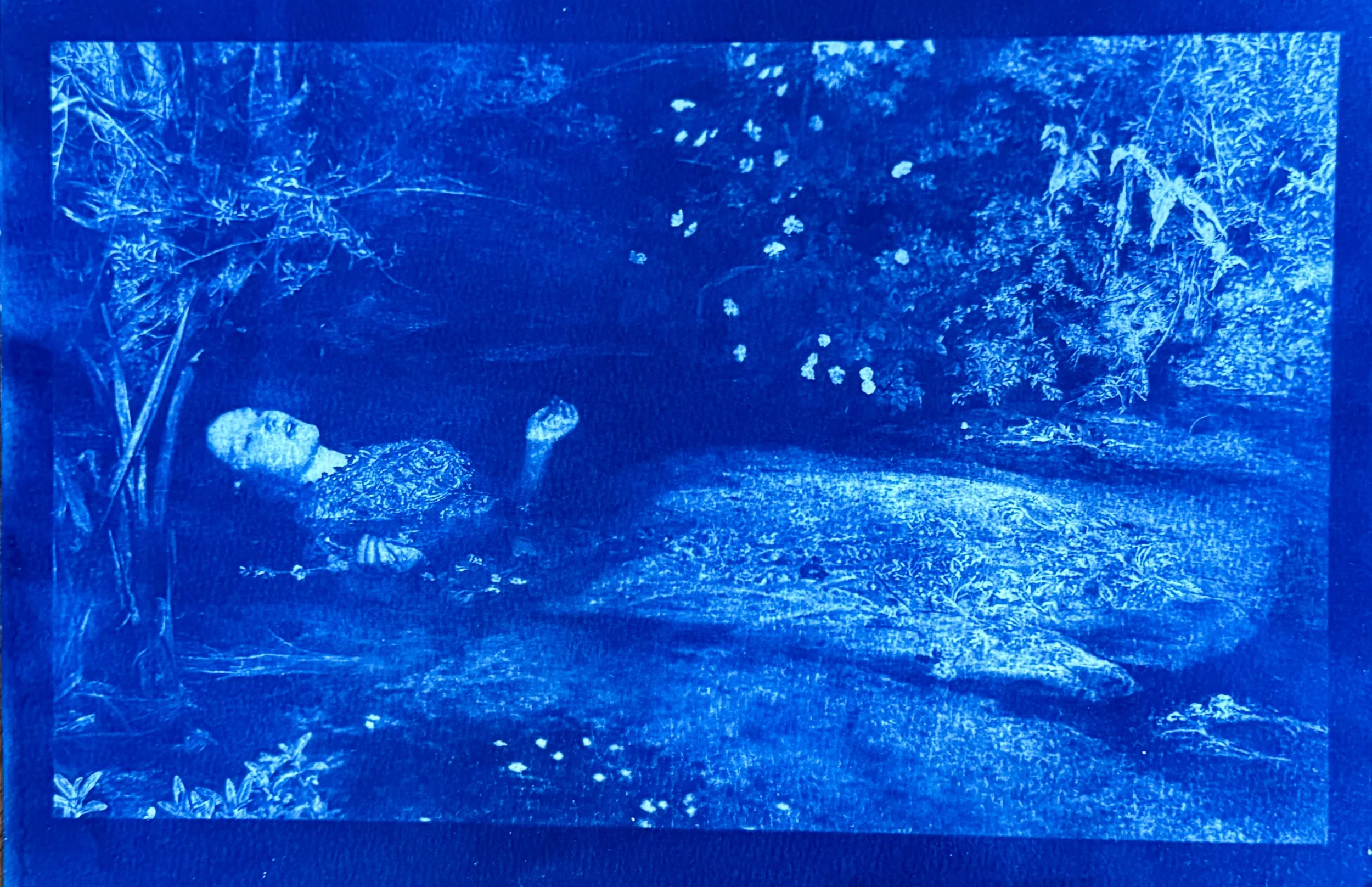
Ophelia - John Everett Millais
8”X10” Cyanotype on Paper
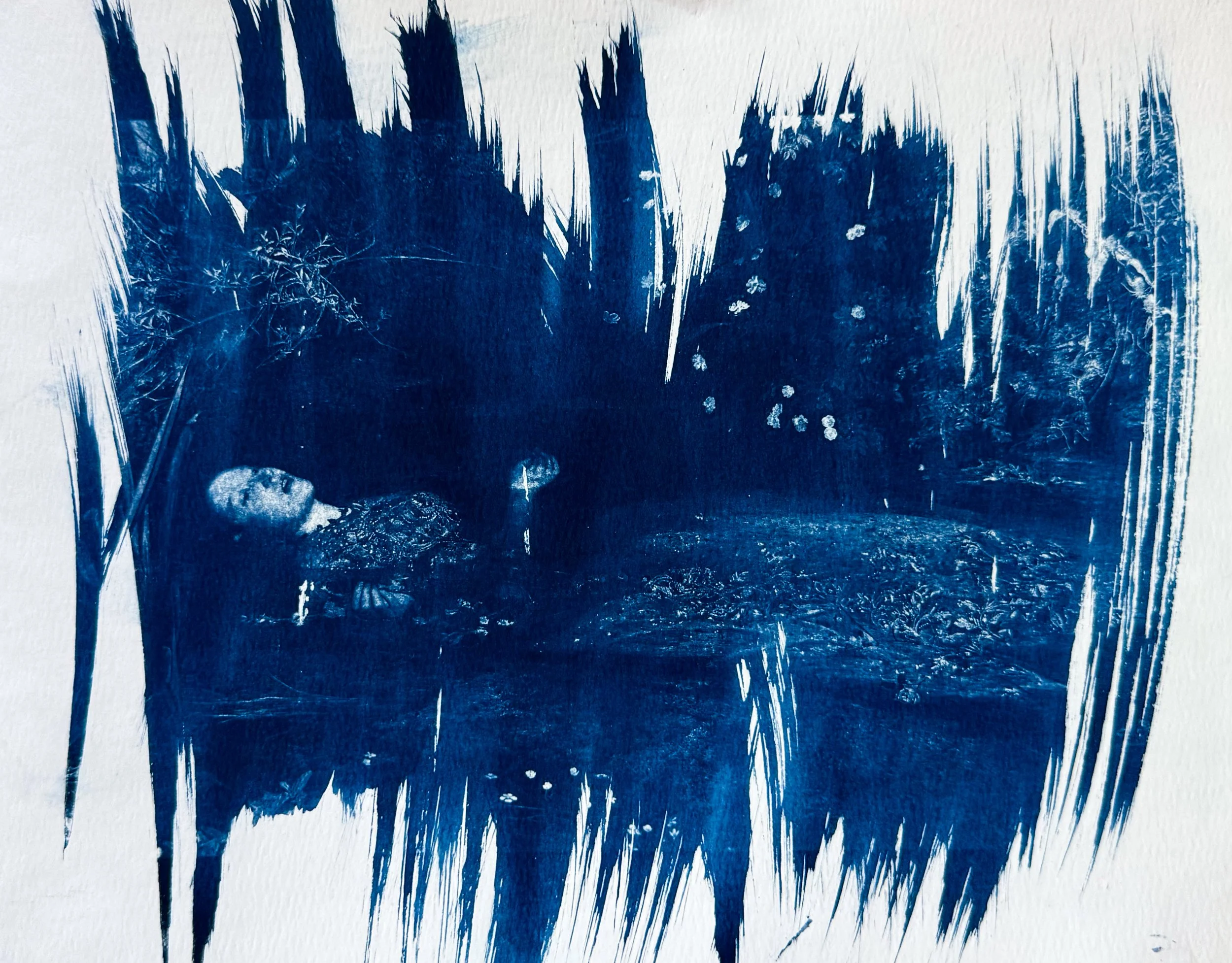
Ophelia In Brush Strokes - John Everett Millais
8”X10” Cyanotype on Paper
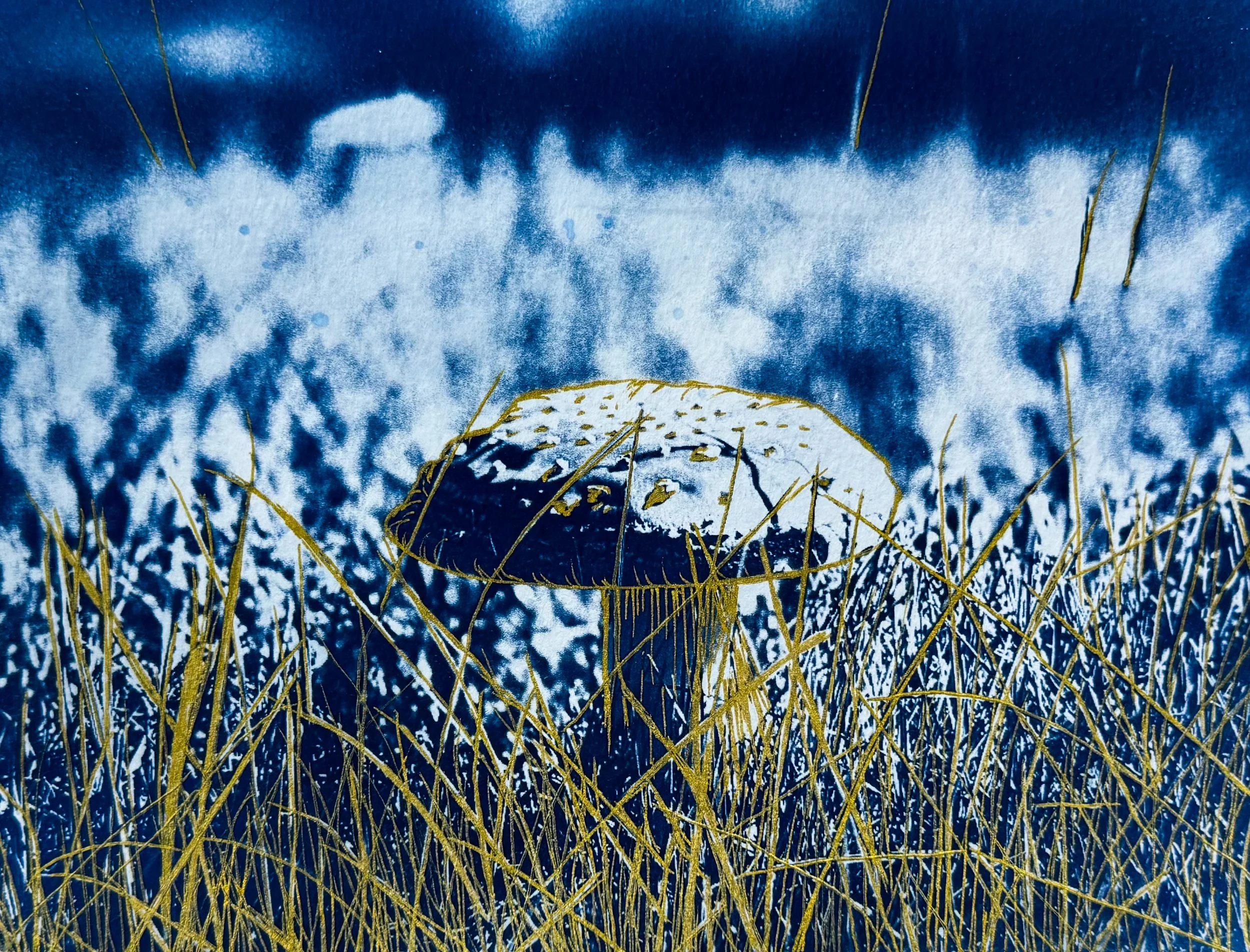
Mushroom on Lawn
8”X10” Cyanotype and Gold Ink on Paper
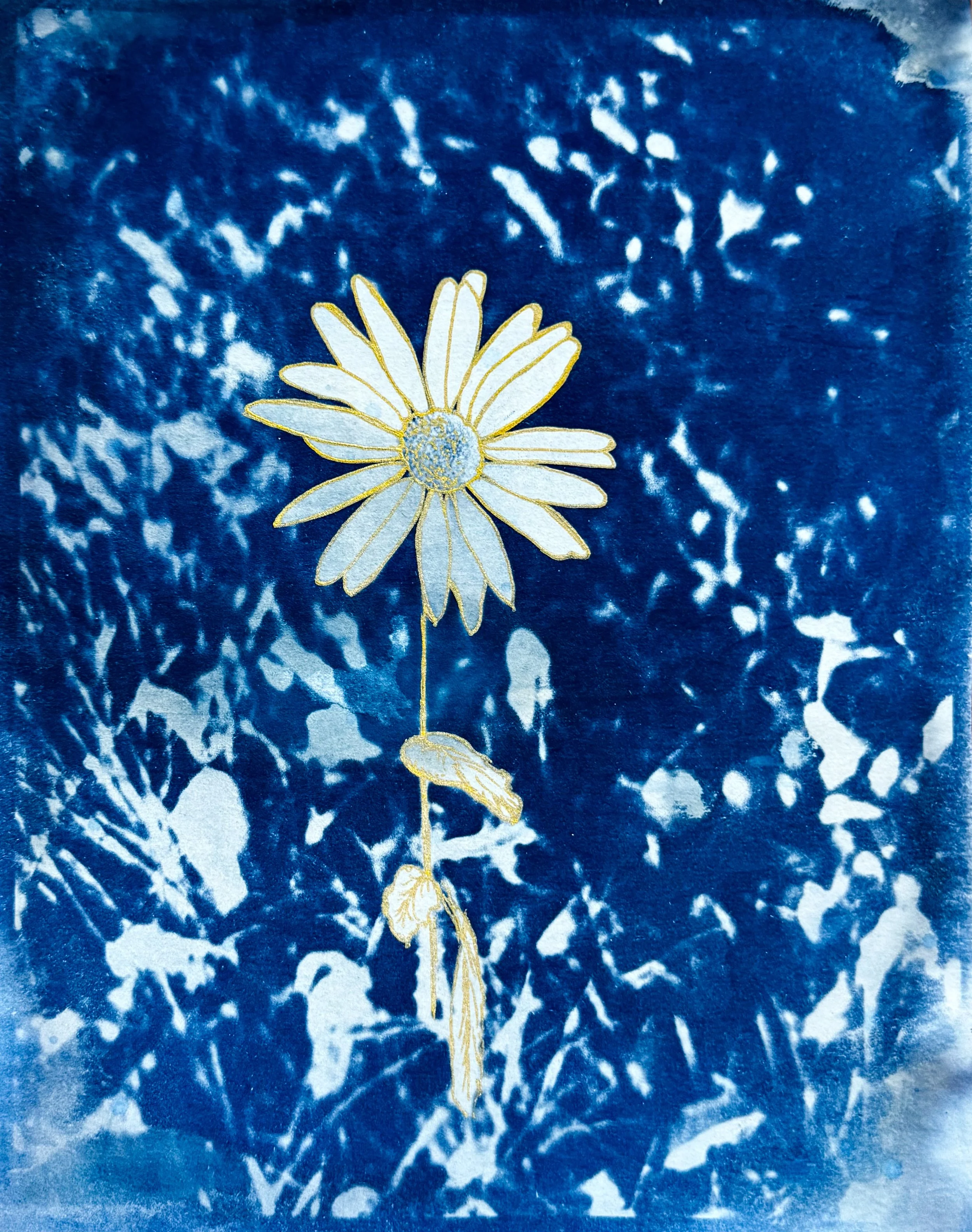
Daisy on Lawn
8”X10” Cyanotype and Gold Ink on Paper
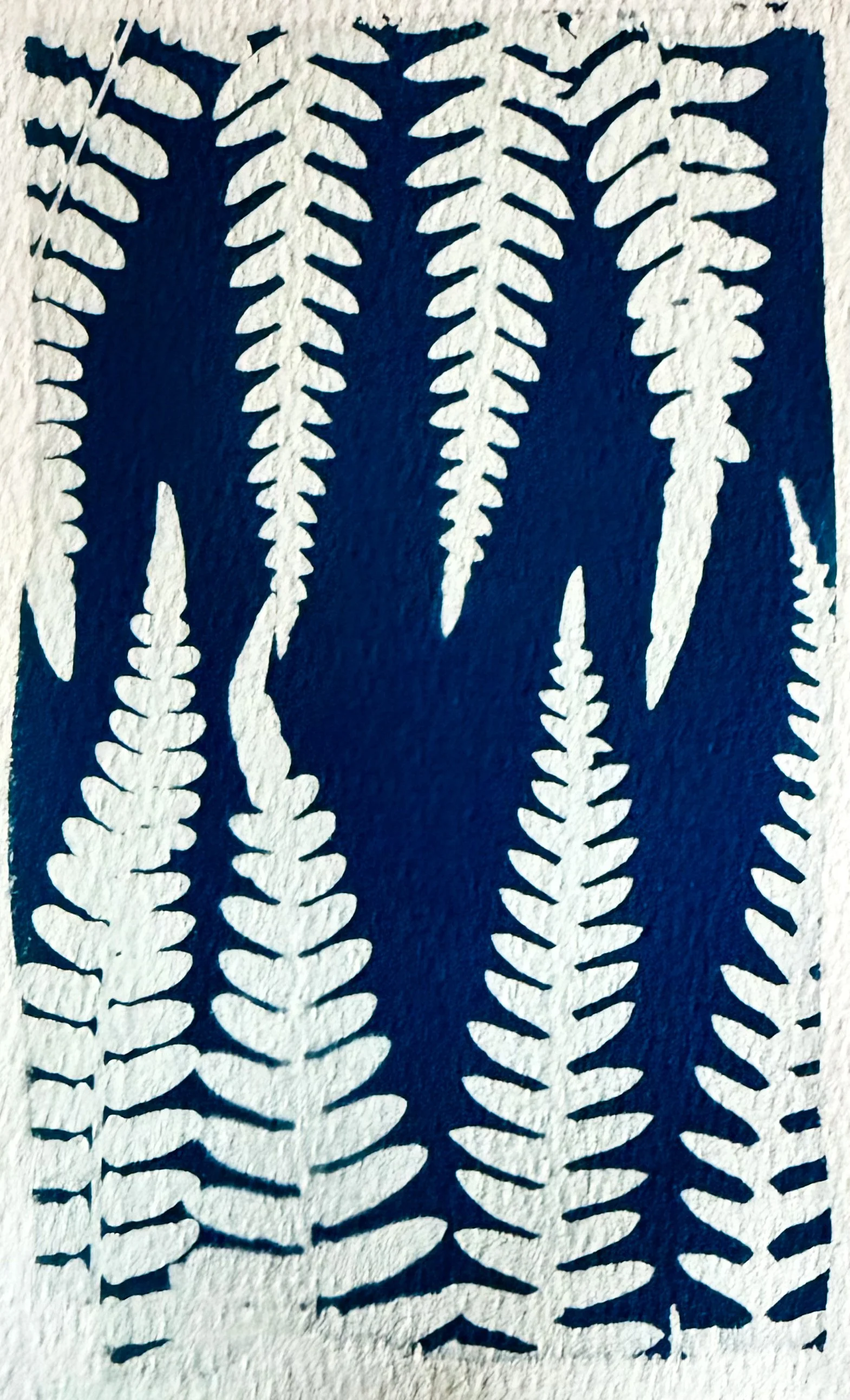
Ferns
5”X3” Cyanotype on Card Paper
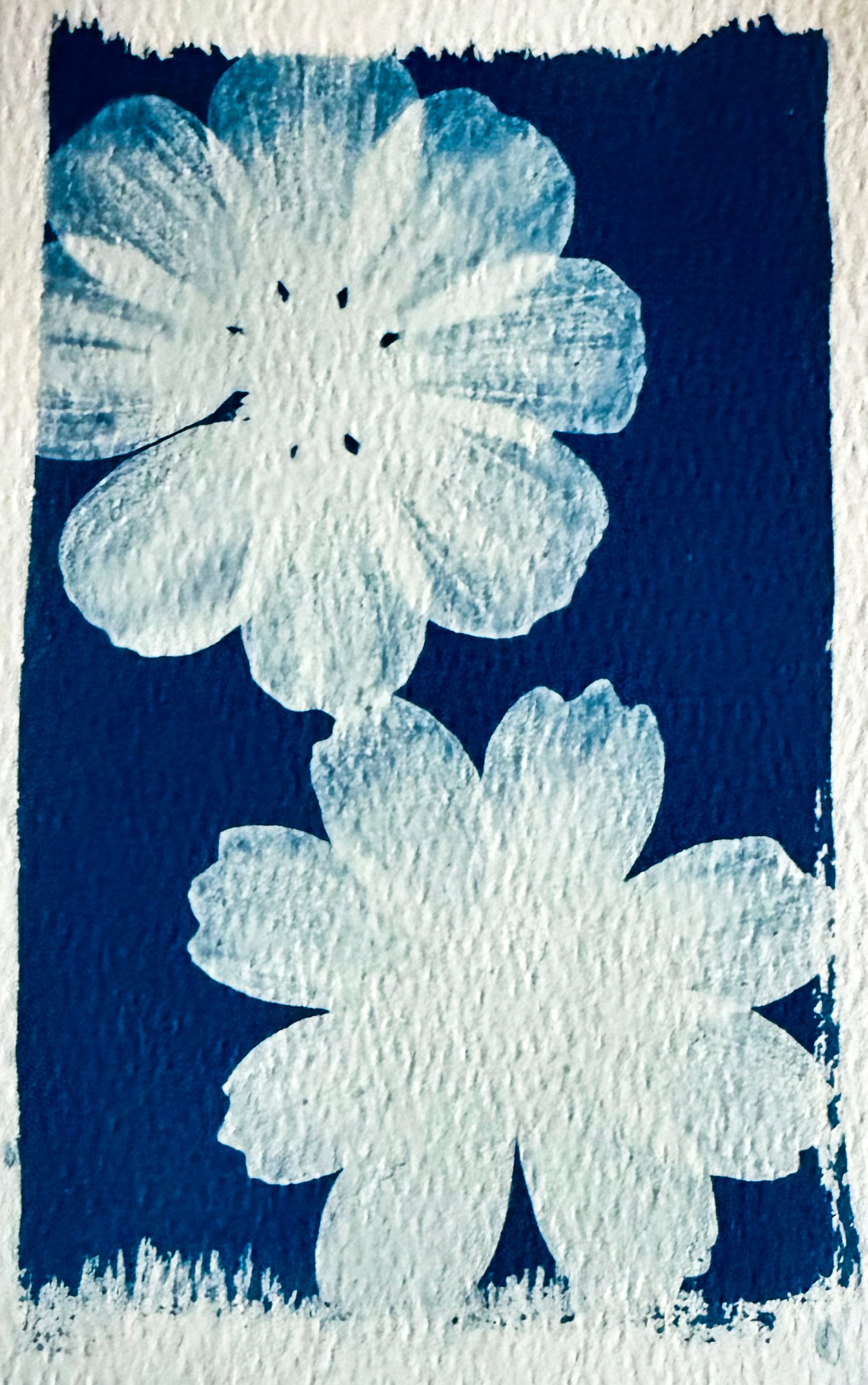
Flowers
5”X3” Cyanotype on Card Paper
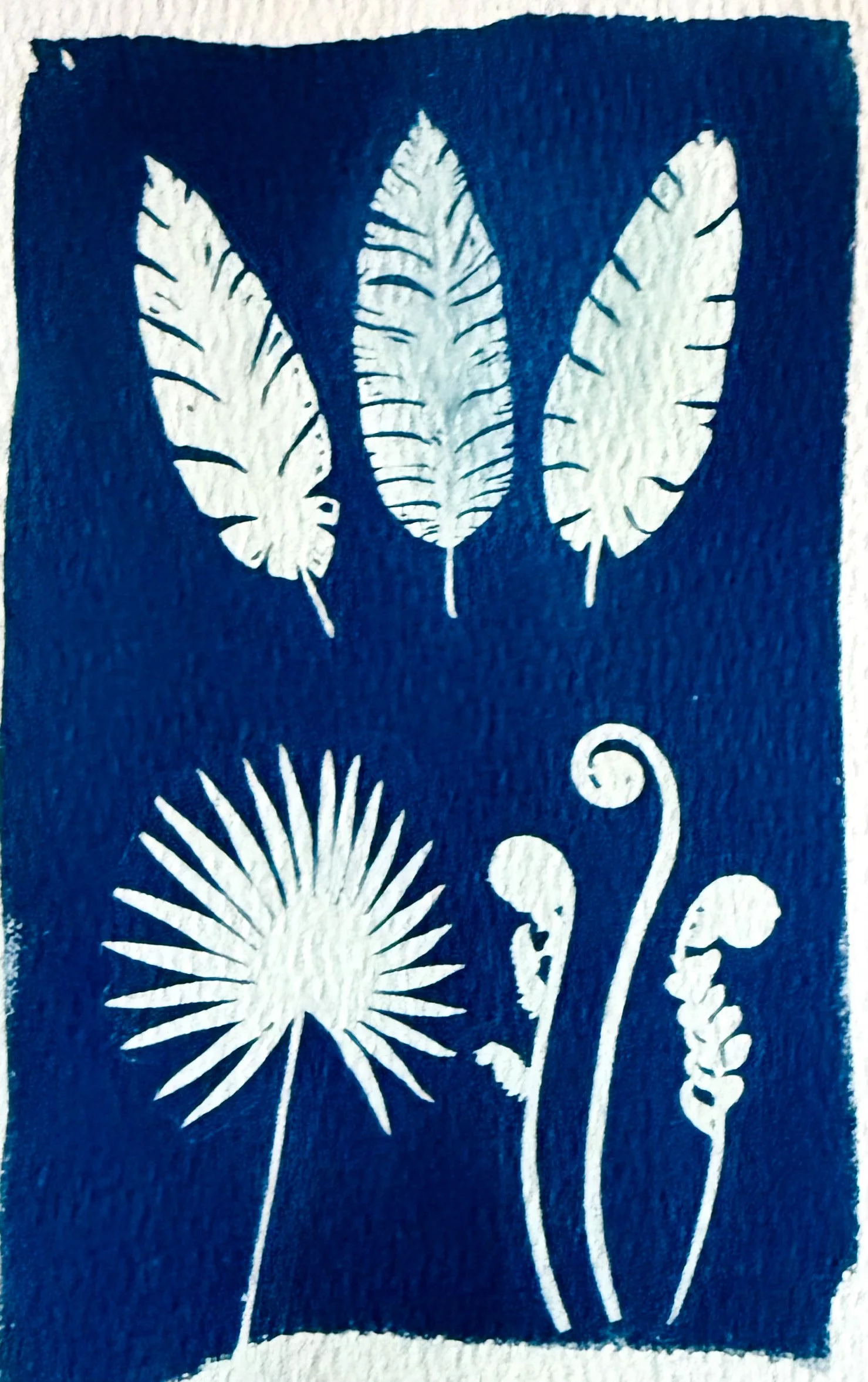
Plants
5”X3” Cyanotype on Card Paper
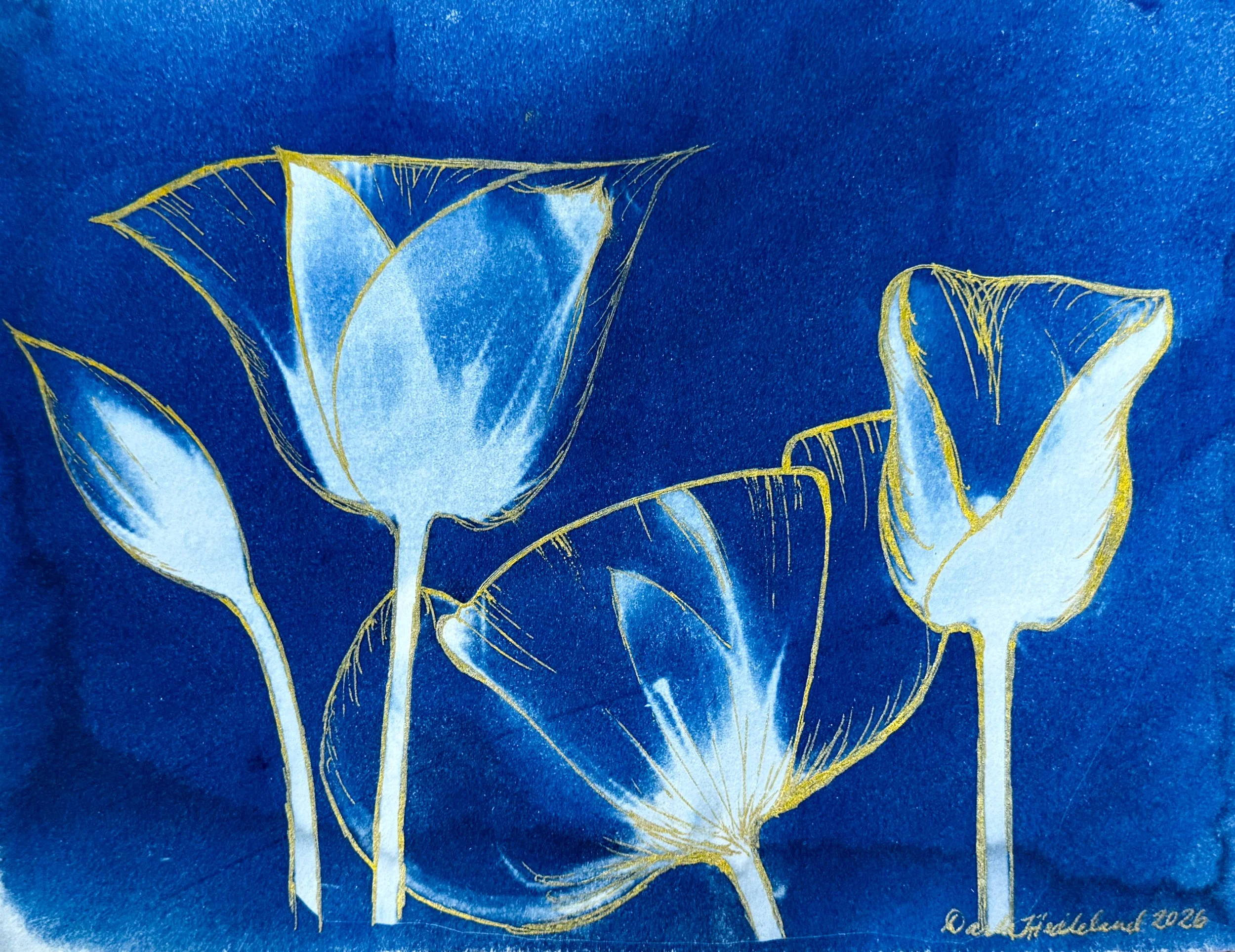
Tulips X-Ray
8”X10” Cyanotype and Gold Ink on Paper
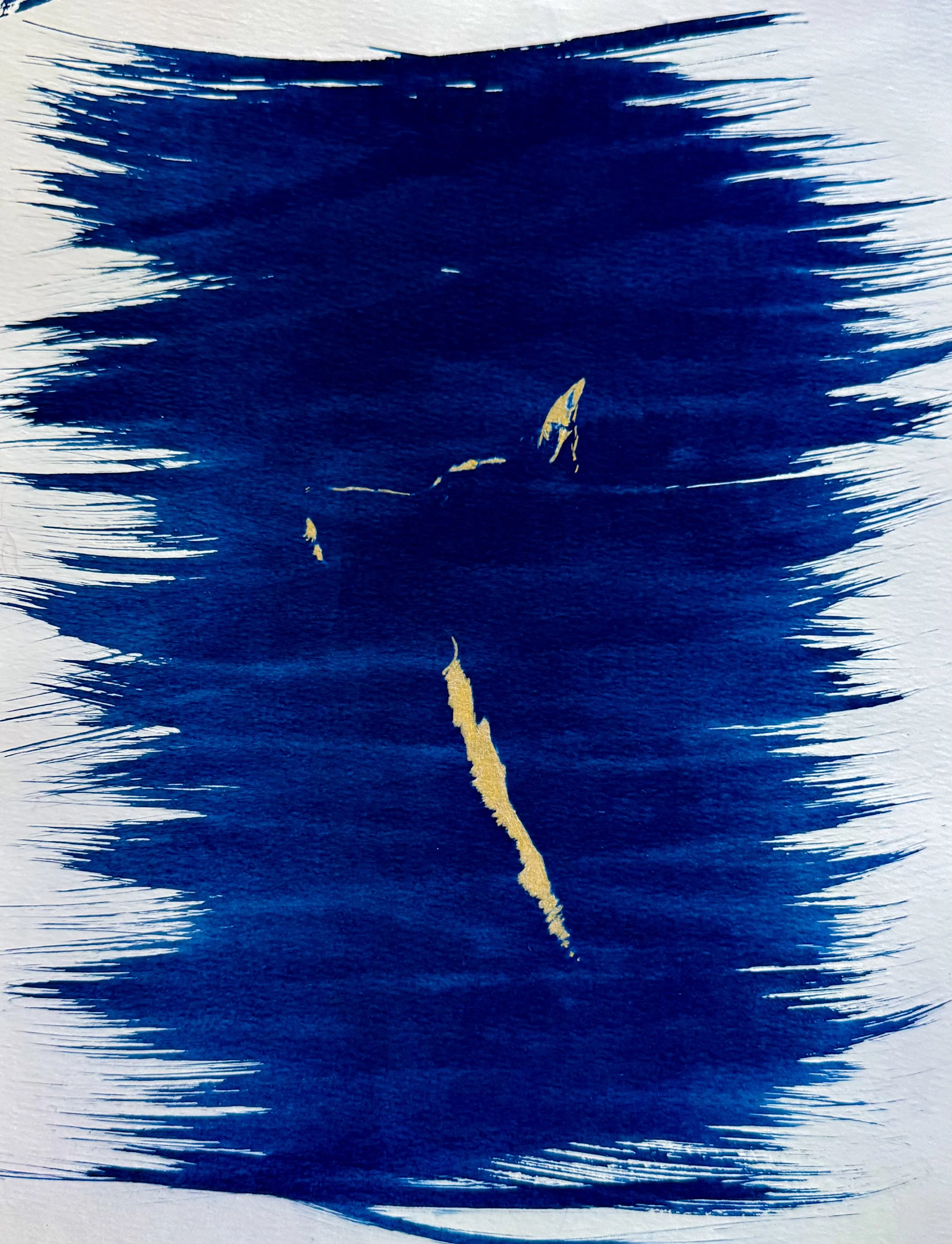
Dog Wisp #1
8”X10” Cyanotype and Gold Ink on Paper
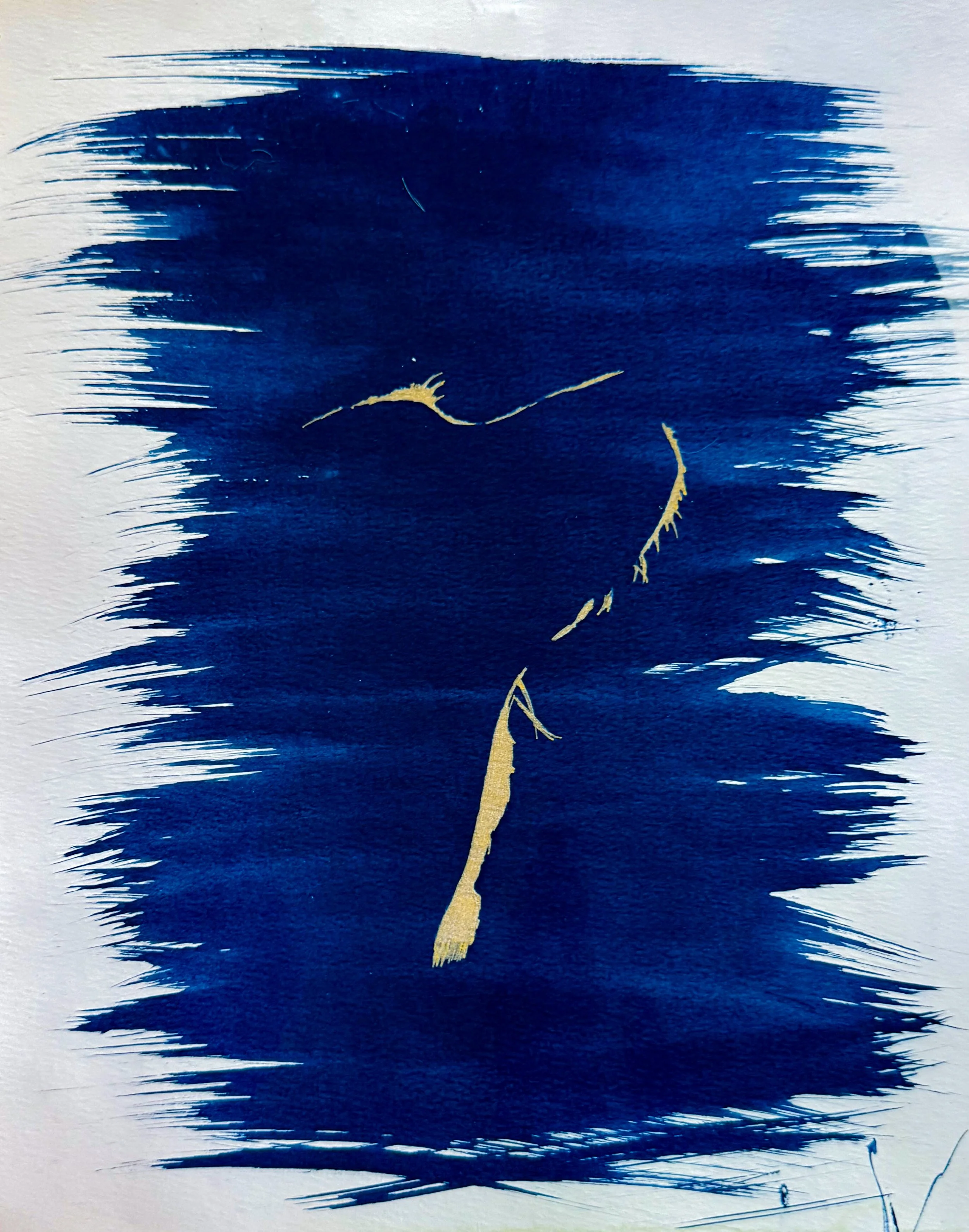
Dog Wisp #2
8”X10” Cyanotype and Gold Ink on Paper
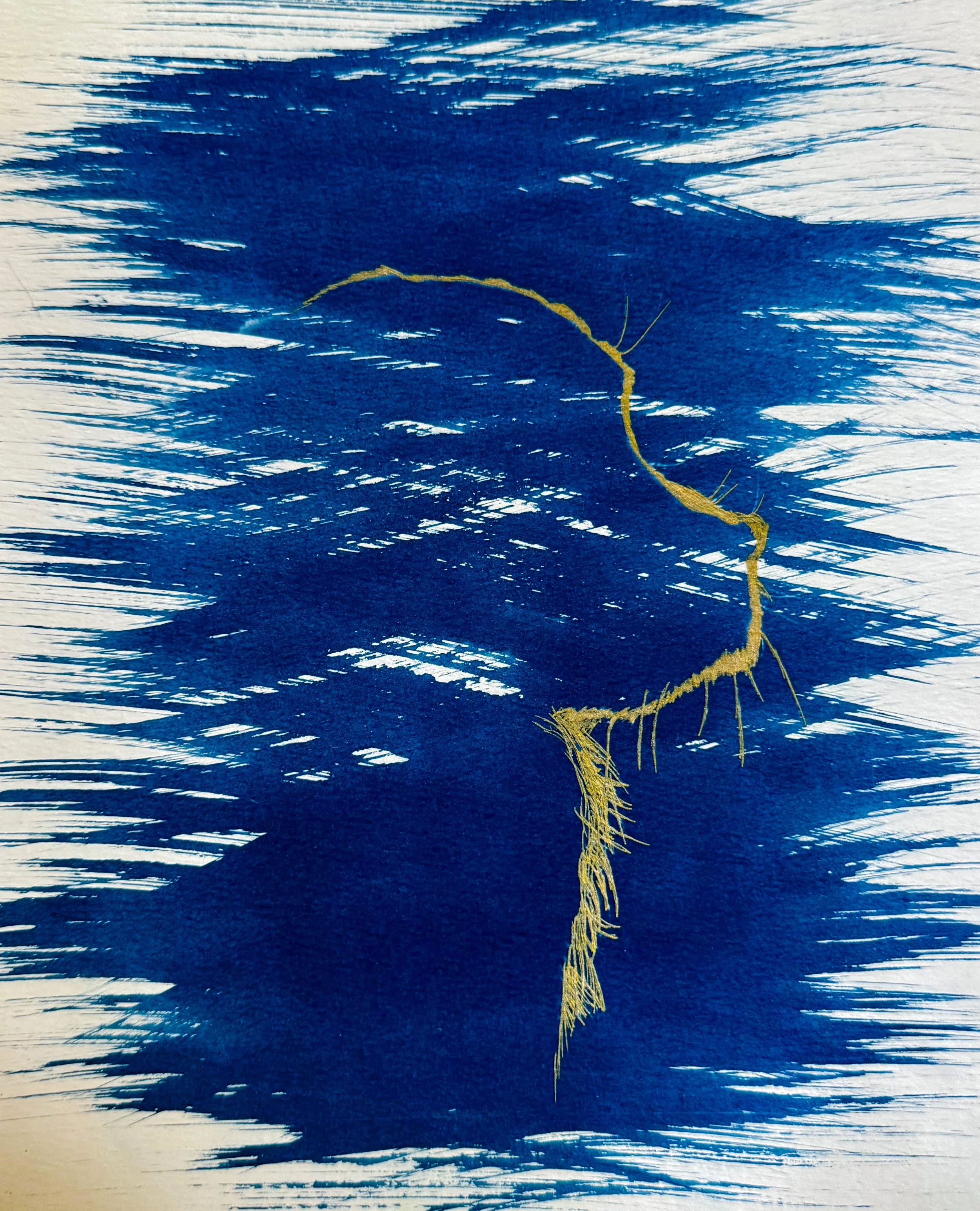
Dog Wisp #3
8”X10” Cyanotype and Gold Ink on Paper
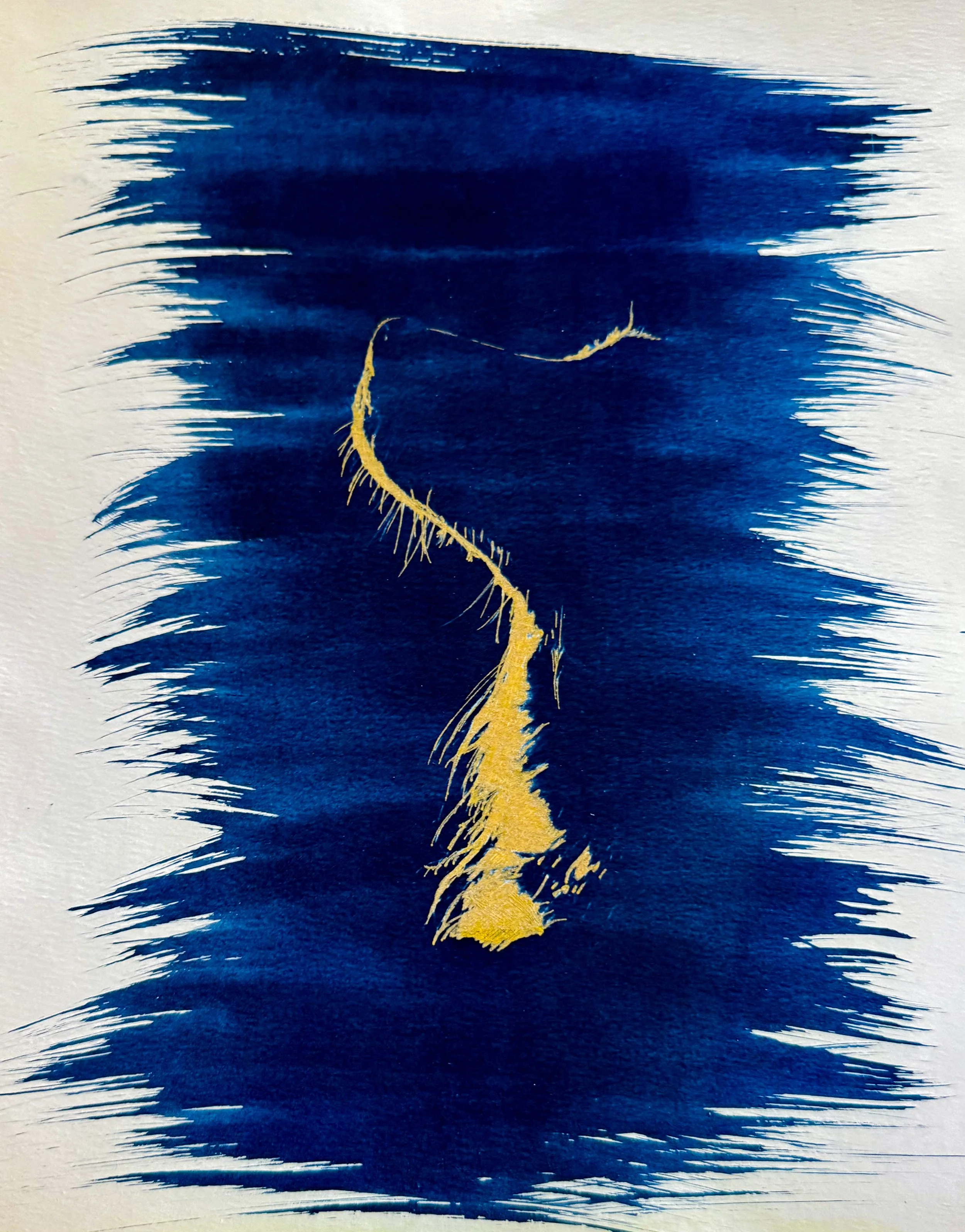
Dog Wisp #4
8”X10” Cyanotype and Gold Ink on Paper
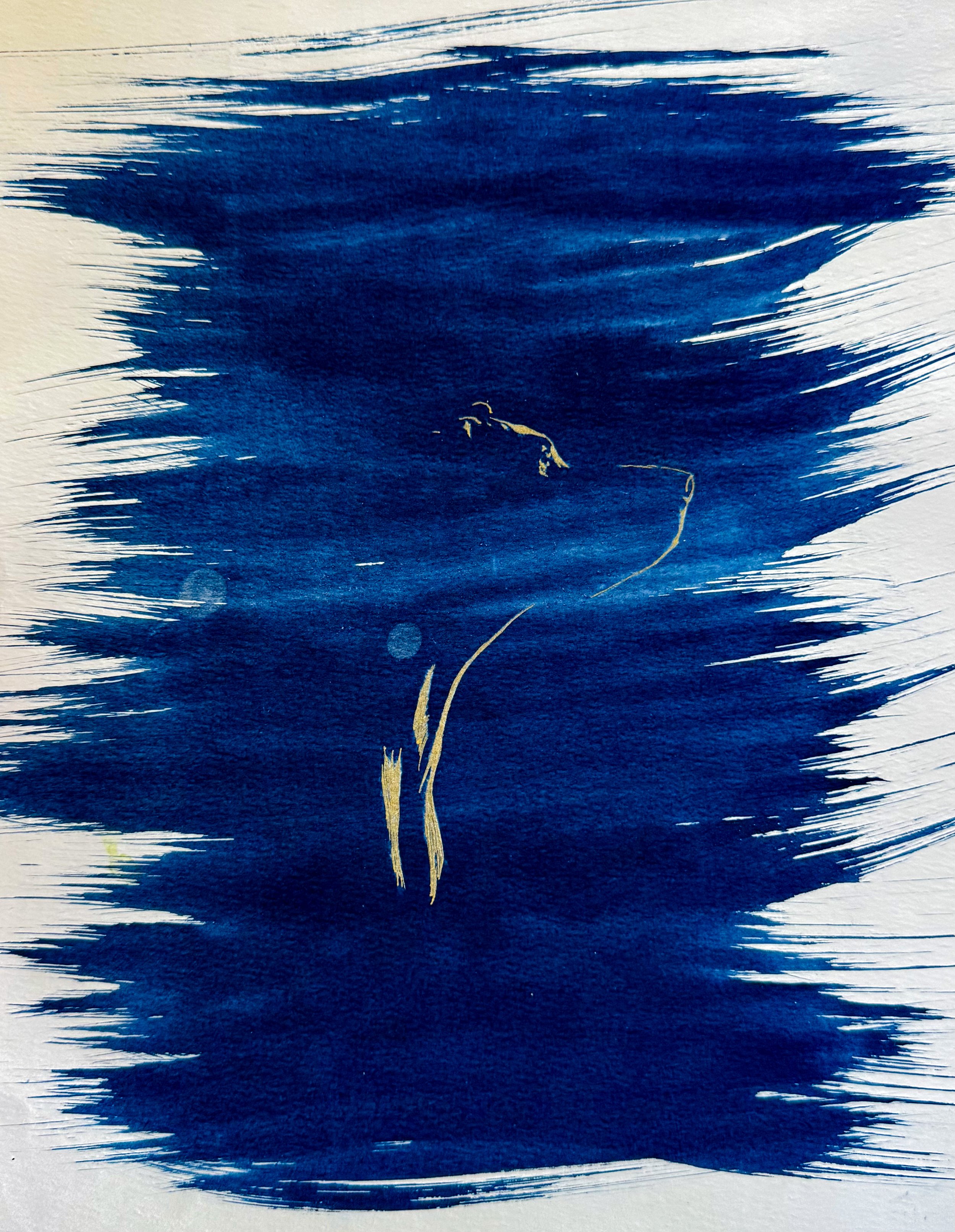
Dog Wisp # 5
8”X10” Cyanotype and Gold Ink on Paper
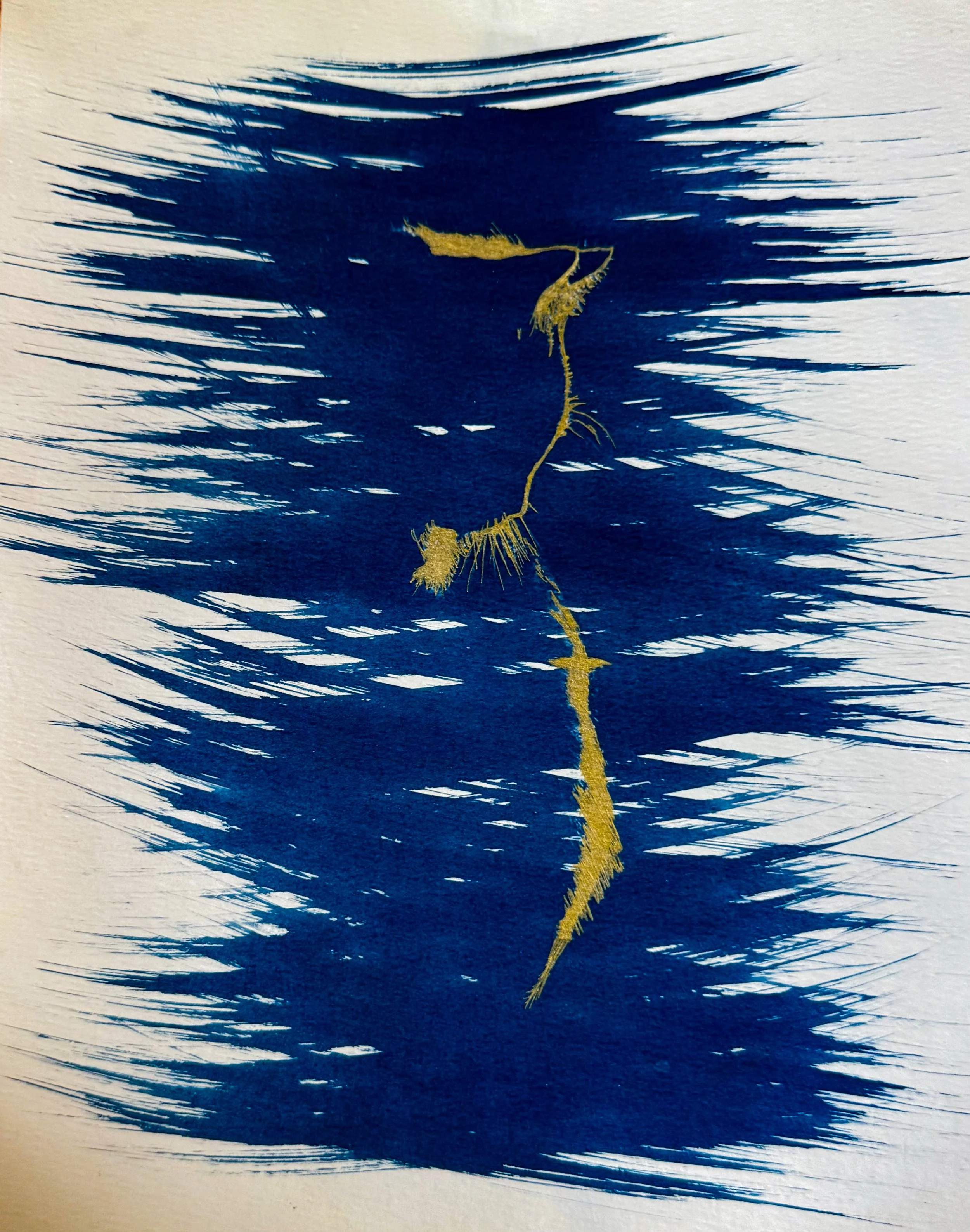
Cat Wisp # 1
8”X10” Cyanotype and Gold Ink on Paper
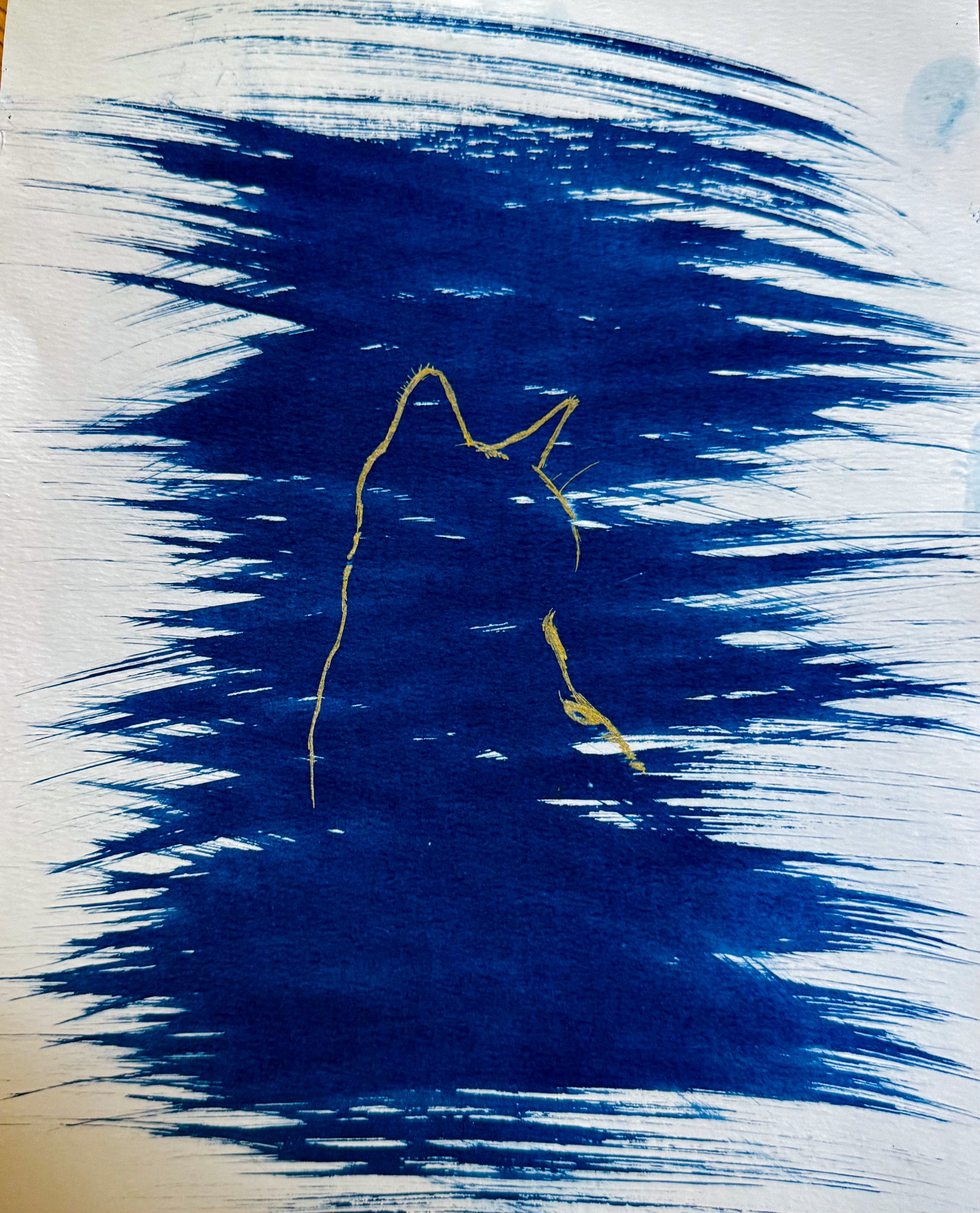
Cat Wisp # 2
8”X10” Cyanotype and Gold Ink on Paper
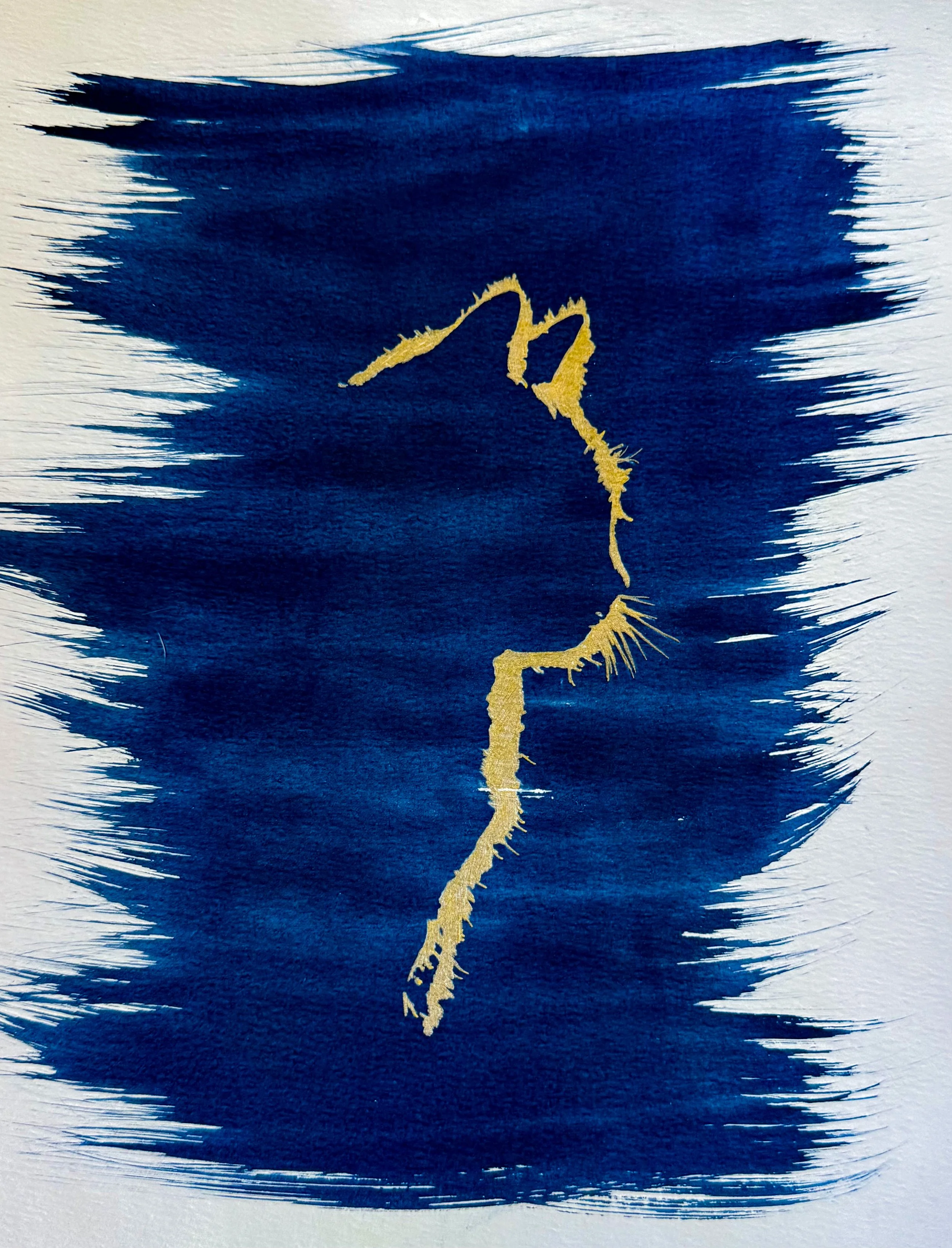
Cat Wisp # 3
8”X10” Cyanotype and Gold Ink on Paper
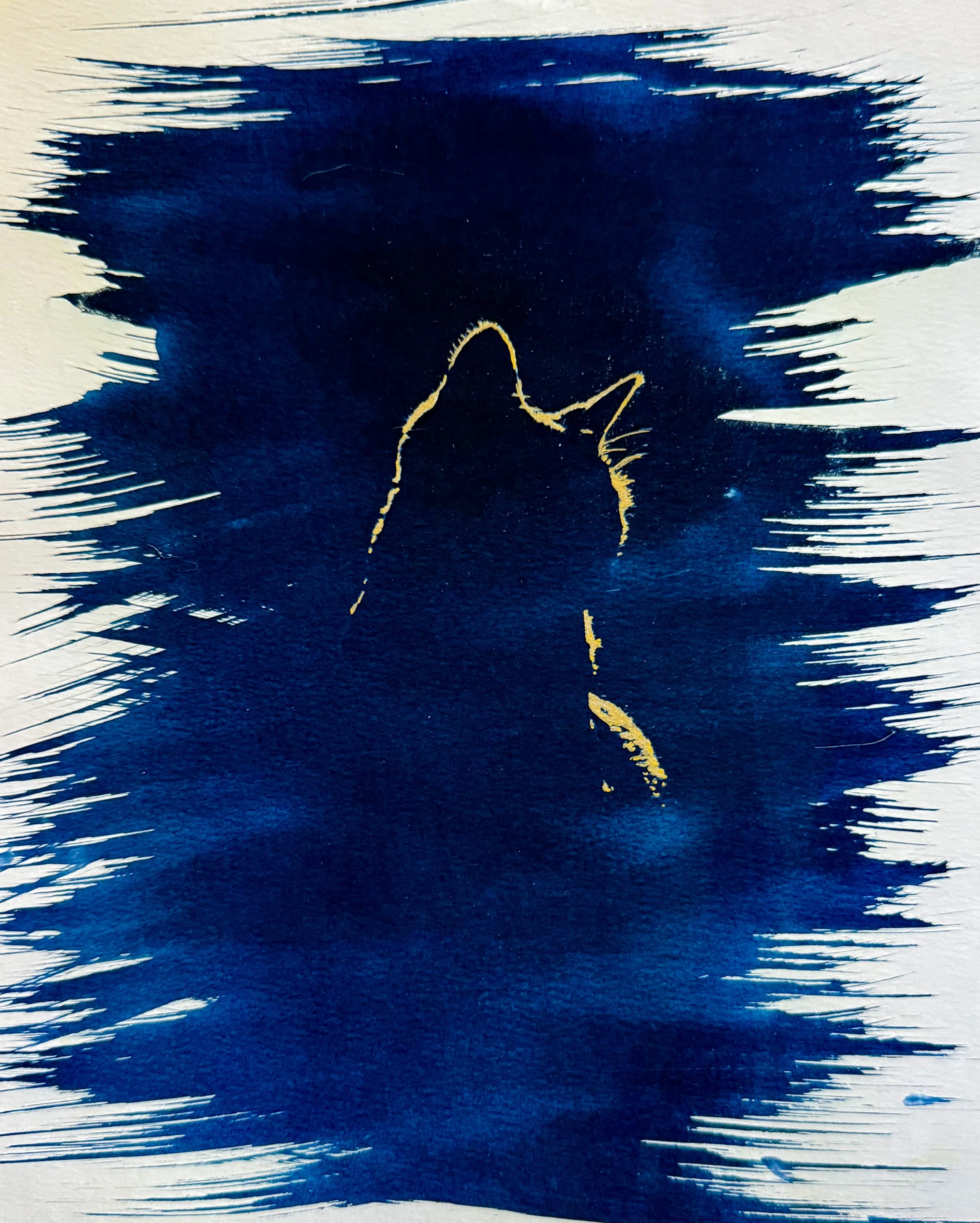
Cat Wisp # 4
8”X10” Cyanotype and Gold Ink on Paper
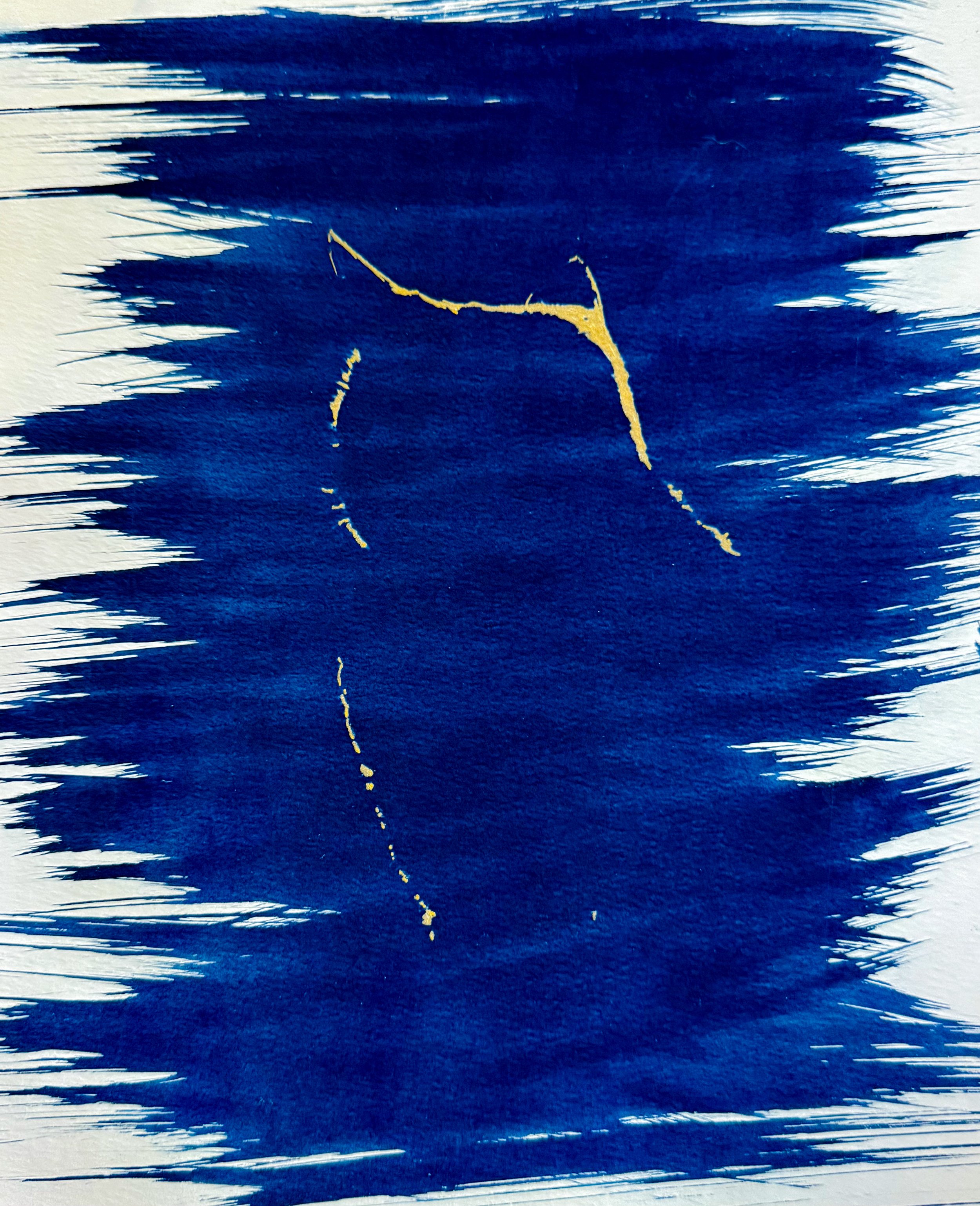
Cat Wisp # 5
8”X10” Cyanotype and Gold Ink on Paper